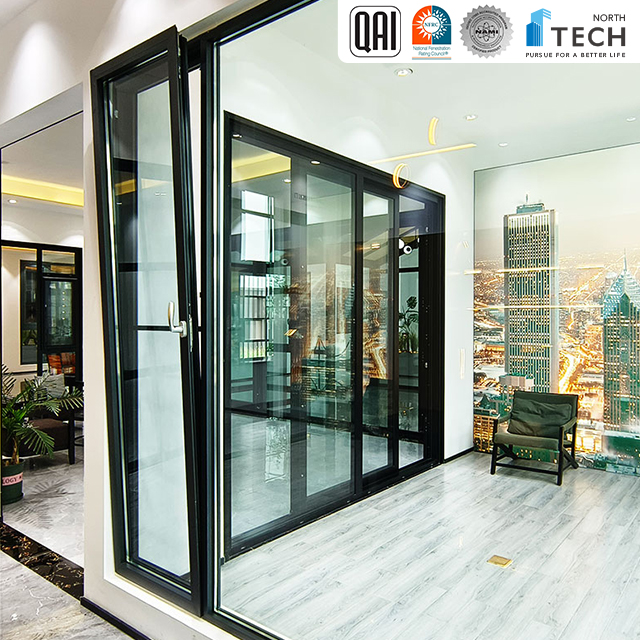
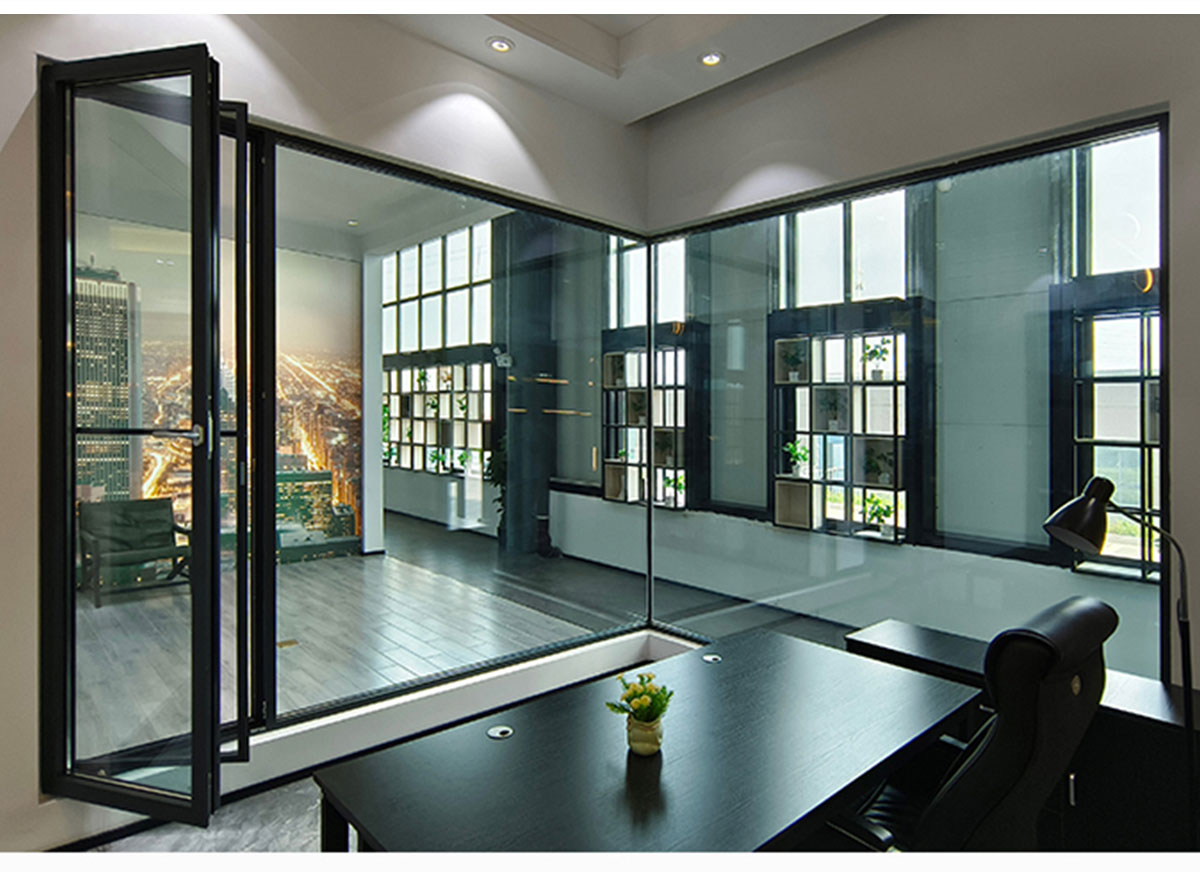
When it comes to modern architectural design, the pursuit of clean lines, unobstructed views, and sleek aesthetics has driven a dramatic evolution in window engineering. At the center of this evolution stands the narrow frame window, a solution that offers both minimalist beauty and functional benefits. The question many homeowners, architects, and developers ask is: how slim can an aluminum window really be? The answer lies not only in the limits of material science but also in smart design and engineering innovation.
In this article, we’ll explore the technical boundaries of aluminum windows, compare slim window systems, and dive deep into current trends and innovations. With data, charts, and analysis, we aim to answer that exact question while maximizing clarity around narrow frame windows—from their design impact to practical performance.
What Is a Narrow Frame Window?
A narrow frame window is a type of window system that uses ultra-slim aluminum or steel profiles to reduce the visual bulk of the window structure. These systems prioritize glass surface area, maximizing natural light and panoramic views while minimizing the visual presence of the window frame.
In contrast to traditional wooden or bulky uPVC window systems, narrow frame windows may feature sightlines (visible frame width) as slim as 10mm–20mm. This allows more glass and less obstruction, creating that seamless transition between indoor and outdoor environments.
Key Characteristics of Narrow Frame Windows:
Slim sightlines (as little as 10mm).
Use of aluminum or steel materials for structural strength.
Enhanced daylighting performance.
Often used in modern and minimalist architecture.
Integration with large panes of double or triple-glazed glass.
How Slim Can an Aluminum Window Frame Be?
Aluminum window systems have advanced considerably thanks to material innovations and manufacturing techniques. In today’s market, some premium narrow frame window systems can achieve sightlines as slim as 11mm (approximately 0.43 inches) per sash.

Slimmest Sightline Comparisons (2025 data):
| Brand/System | Visible Frame Width (mm) | Frame Material | Glazing Type |
| Vitrocsa Invisible Wall System | 11 mm | Aluminum | Double/Triple |
| Sky-Frame Classic Sliding System | 20 mm | Aluminum | Double/Triple |
| Reynaers SlimLine 38 | 38 mm | Aluminum | Double/Triple |
| Schüco ASS 77 PD (Panorama Design) | 30 mm | Aluminum | Triple |
| Generic Traditional Window System | 60–100 mm | Wood/uPVC | Double |
From this comparison, it’s clear that aluminum is the material of choice for achieving ultra-slim frames. Unlike wood or PVC, which require greater bulk to maintain strength, aluminum can be engineered with smaller profiles without sacrificing durability or thermal performance.
Why Choose Narrow Frame Windows?
There are several advantages to installing narrow frame windows in both residential and commercial settings. These benefits go far beyond aesthetics and contribute to energy savings, comfort, and property value.
Top Benefits of Narrow Frame Windows:
More Natural Light: Up to 20–30% more light transmission than standard windows.
Sleek, Modern Aesthetics: Minimalist frames match high-end architectural styles.
Energy Efficiency: Slim doesn't mean inefficient—modern designs feature thermal breaks, low-E coatings, and argon gas fills.
Uninterrupted Views: Ideal for panoramic applications or connecting interior/exterior spaces.
Higher Resale Value: Properties with contemporary window systems can command a premium.
Material Focus: Why Aluminum?
Aluminum has become the go-to material for narrow frame window systems for several compelling reasons:
High Strength-to-Weight Ratio: Supports large panes with ultra-slim profiles.
Corrosion Resistance: Performs well in harsh climates without degradation.
Thermal Break Technology: Modern systems include insulating polyamide strips that reduce heat conduction.
Low Maintenance: Compared to wood or uPVC, aluminum requires minimal upkeep.
Recyclability: Aluminum is 100% recyclable, supporting sustainable building goals.
Bolded related term: Thermal insulation
The strength and versatility of aluminum mean window engineers can stretch the limits of slimness without compromising performance or safety.

Narrow Frame Windows in Modern Design Trends
In 2025 and beyond, architectural trends continue to favor open spaces, sustainability, and natural light—all of which are made easier by installing narrow frame windows.
Architectural Trends Featuring Narrow Frame Windows:
Biophilic design: Connecting indoor and outdoor elements through transparency.
Passive solar homes: Maximizing sun exposure with larger, more efficient glass surfaces.
Tiny homes & modular housing: Slim frames make small spaces feel expansive.
Smart homes: Narrow frames are now available with automated opening systems, integrated blinds, and smart glass.
As demand increases, so does innovation—manufacturers are developing even slimmer, stronger, and smarter window systems.
Energy Efficiency and Thermal Performance
A common misconception is that slimmer frames reduce energy performance. However, modern narrow frame window systems use multi-layer glazing, thermal breaks, and gas-filled chambers to achieve outstanding performance metrics.
Example: Energy Efficiency Ratings of Narrow Frame Windows
| Feature | Performance Metrics |
| U-value (heat transfer rate) | As low as 0.8 W/m²K |
| Solar Heat Gain Coefficient | Adjustable with low-E coatings |
| Visible Light Transmittance | Up to 70–80% |
| Air Tightness Rating | Class 4 (highest for EN standards) |
These specs match or outperform standard frames, proving that slim doesn’t mean sacrificing comfort.
Application Scenarios for Narrow Frame Windows
Narrow frame windows aren't just for show homes or high-end developments. Their practicality extends to a wide range of projects:
Urban apartments with limited wall space.
Commercial high-rises needing panoramic city views.
Luxury villas emphasizing openness.
Retail storefronts where visibility matters.
Eco-homes targeting passive solar gain.
Their modular design makes narrow frame systems easy to integrate into virtually any building type, with customized shapes, finishes, and opening styles available.
Latest Manufacturing Innovations (2025)
Window manufacturers continue pushing the limits of design with innovations like:
Bonded glazing: Glass is structurally bonded to aluminum frames, allowing further slimness.
Hidden frames: Concealed frame systems embedded into walls for a true frameless look.
Smart coatings: Dynamic glass that tints or clears automatically.
Motorized sliding panels: Smooth, quiet operation with sleek finishes.
These advances prove that narrow frame windows aren't just thinner—they're smarter and more versatile too.
FAQs
Q1: How narrow can a narrow frame window be?
Modern systems offer frames as slim as 11mm, made possible by high-strength aluminum and structural bonding technology.
Q2: Are narrow frame windows energy efficient?
Yes. With thermal break technology, low-emissivity coatings, and multi-pane glazing, these windows are designed to meet or exceed current energy codes.
Q3: What’s the difference between slim and traditional frames?
Traditional frames have visible widths ranging from 60–100mm. In contrast, narrow frame windows can have profiles as slim as 11–30mm, offering more glass and less frame.
Q4: Do slim frames compromise strength?
Not with aluminum. Its high tensile strength ensures safety and durability even in slim formats. Many models also pass high wind-load tests and security standards.
Q5: Can narrow frame windows be customized?
Absolutely. You can customize frame colors, glazing types, opening mechanisms, and even integrate smart tech features.
Q6: Are narrow frame windows expensive?
While typically more costly upfront than basic PVC windows, they provide long-term savings through energy efficiency, durability, and increased property value.
Conclusion: The Future Is Slim
Narrow frame windows have redefined the modern building envelope, offering exceptional performance, aesthetics, and practicality. Thanks to the strength and flexibility of aluminum, window systems can now achieve jaw-dropping minimalism without sacrificing insulation, safety, or customizability.
Whether you’re designing a luxury home, upgrading a commercial façade, or retrofitting a city apartment, narrow frame windows represent the cutting edge of architecture—and their slimness is only getting more impressive as innovation marches forward.
When it comes to answering "how slim can an aluminum window be?", the response is simple: as slim as engineering will allow, and with today’s technology, that’s impressively thin.
If you’re planning a window upgrade or starting a new construction project, narrow your focus—to narrow frame windows—and see the world without the frame.