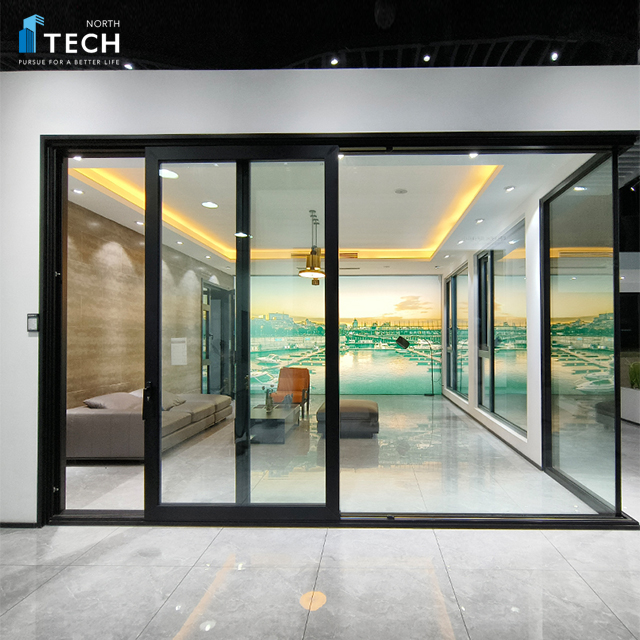
Edge condensation—that persistent ring of water pooling at the bottom edges of your glass panes—is a clear indicator of thermal failure. Left unchecked, this moisture creates a cascade of structural issues. You will see mold growth along the silicone lines, compromised weather seals, and eventual structural rot around the frame base. While surface condensation across the center of the glass often points to high indoor humidity, persistent edge condensation indicates a specific failure in the thermal envelope. It means heat is escaping rapidly through the spacer bar or the frame itself.
Modern insulated door systems rely on specific engineering to mitigate this exact problem. By severing the conductive pathways that allow indoor heat to escape and outdoor cold to penetrate, advanced systems keep the interior glass surface warm. Understanding the technical mechanisms behind these solutions—such as thermal breaks, warm-edge spacers, and advanced glazing technologies—is essential for resolving edge condensation permanently and protecting your property.
Key Takeaways
Edge condensation is primarily driven by thermal bridging at the glass perimeter; upgrading to a thermal break patio door significantly raises the interior surface temperature of the glass edge.
Warm-edge spacer bars (non-metallic) combined with Argon or Krypton gas fills are critical evaluation criteria for condensation resistance.
Large-format installations, such as aluminum folding patio doors or multi track patio doors, require specific structural and thermal engineering to prevent perimeter heat loss.
The baseline transition from legacy single-pane glass to high-performance double- or triple-pane insulated glazing units (IGUs) is the single most effective step in lowering the dew point threshold.
Even the highest-rated insulated doors require balanced indoor humidity management (e.g., trickle vents, HVAC integration) and proper airflow to eliminate interior condensation entirely in extreme cold.
The Physics of Edge Condensation on Patio Doors
Understanding the Condensation Resistance Factor (CRF)
The Condensation Resistance Factor (CRF) measures how well a door resists the formation of condensation on its interior surface. Scored on a scale from 1 to 100, a higher CRF indicates better resistance. You should use this metric to establish baseline performance requirements tailored to your specific climate zone. While U-factor measures thermal transmittance (heat loss), CRF and U-factor work collaboratively. A lower U-factor generally correlates with a higher CRF, indicating a stronger thermal barrier.
Climate Zone
Recommended Minimum CRF
Typical Glazing Requirement
Mild / Southern
35 - 45
Double-pane, standard Low-E
Moderate / Mixed
50 - 60
Double-pane, Argon fill, Warm-edge spacer
Cold / Northern
65+
Triple-pane, Krypton fill, Dual Low-E
Interior vs. Exterior Condensation Realities
Interior condensation forms when warm, moist indoor air hits a cold glass surface. This signals either poor insulation or excessive indoor humidity. Conversely, exterior condensation is a physical indicator that the insulated glazing unit is successfully preventing heat escape. Because the interior heat cannot reach the outer pane, the exterior glass cools to the outdoor dew point, causing moisture to form.
Microclimates heavily influence these dynamics. Wind exposure naturally evaporates exterior condensation by keeping the outer pane slightly warmer via air movement. In contrast, sheltered building elevations experience accelerated radiative cooling on calm, clear nights. This leads to heavier dew formation on the exterior glass.
Single-Pane vs. High-Performance Multi-Pane Thermal Baselines
Legacy single-pane glass offers almost no thermal resistance. The high thermal conductivity of a single sheet of glass ensures that the interior surface temperature drops rapidly in cold weather. This practically guarantees edge condensation. Modern dual- and triple-pane insulated glazing units (IGUs) trap insulating gas between the panes. This drastically reduces the temperature drop across the barrier and keeps the interior glass warmer.
The "Cold Edge" Effect in Standard Glazing
In older double-pane doors, highly conductive aluminum spacer bars separate the glass panes. These metallic spacers create a direct thermal bridge. They allow heat to bypass the insulating gas and escape through the perimeter. This thermal bridging drops the edge glass temperature below the dew point, creating the "cold edge" effect where condensation inevitably forms.
Engineering Solutions: How Insulated Patio Doors Stop Heat Transfer
Solution Categories
Severing the thermal bridge requires specific manufacturing technologies targeting both the glass unit and the door frame. These solutions focus on replacing highly conductive materials with insulating alternatives. You cannot rely on glass upgrades alone if the frame remains highly conductive.
The Role of Warm-Edge Spacer Technology
Traditional metallic spacers are a primary cause of edge condensation. Modern warm-edge spacers utilize structural silicone foam, thermoplastic, or polycarbonate materials instead of aluminum or steel. These non-conductive spacers improve the U-factor at the edge of the glass by up to 5 percent. By halting heat transfer at the perimeter, warm-edge spacers directly raise the glass temperature above the dew point.
Upgrading to a Thermal Break Patio Door
Metal frames, such as standard aluminum patio doors, are highly conductive and prone to freezing on the inside. A thermal break solves this by splitting the frame into interior and exterior sections. Reinforced polyamide or polyurethane struts are extruded and mechanically crimped between the aluminum profiles. Upgrading to a thermal break patio door halts conductive heat loss, preventing the interior frame from becoming cold enough to form condensation.
Evaluating Glass and Frame Technologies for Condensation Resistance
Evaluation Dimensions
Comparing door configurations requires evaluating how physical features translate to actual thermal performance. You must assess gas fills, glass coatings, and the structural design of the door system to ensure it meets your climate demands.
Insulating Gas Fills and Low-E Coatings
Argon and Krypton gases are denser than air. They significantly reduce convective heat transfer between the glass panes. Krypton is denser than Argon and performs better in narrower spaces, though it costs more. Low-Emissivity (Low-E) coatings consist of microscopic metallic layers applied to the glass. These coatings reflect long-wave infrared energy back into the room. This maintains a higher interior glass surface temperature and reduces condensation risk.
Comparative Configuration Analysis
Large-span systems present unique thermal challenges. multi track patio doors and aluminum folding patio doors feature overlapping panels and extensive perimeter weatherstripping. This creates potential vulnerabilities for air infiltration and localized cooling. French doors face a different issue; the central meeting stile acts as a geometric thermal bridge compared to inline sliding systems. To maintain the thermal envelope, these large configurations rely on deep interlocking seal technologies and multi-point locking mechanisms to ensure tight compression against cold drafts.
Conceptual Trade-Offs: Material Selection and System Scalability
Overall Value Influencing Factors
Selecting the right door involves balancing aesthetics, durability, structural stability, and thermal performance. You must weigh the visual appeal of slim frames against the insulation requirements of your specific climate zone.
Aluminum Folding Patio Doors vs. Alternative Materials
Folding systems offer ultra-slim sightlines and exceptional structural rigidity, making them ideal for large openings. However, aluminum requires high-end thermal breaks to compete with the inherent thermal superiority of uPVC, timber, or fiberglass. These alternative materials naturally resist heat transfer but feature thicker profiles. You must evaluate the performance ratio of specifying advanced thermal breaks in aluminum versus opting for composite materials.
Longevity of Insulating Glass Units (IGUs)
The seals on dual-pane and triple-pane IGUs endure constant thermal stress from expansion and contraction. Continuous edge condensation on older doors accelerates this wear. It eventually causes the seals to fail. Once the seal breaks, insulating gas escapes, leading to permanent fogging and moisture pooling between the panes.
Implementation Risks and Mitigation When Upgrading
Installation Flaws That Compromise Insulation
Even the best insulated door will fail if installed poorly. Improper rough opening insulation causes perimeter drafts. These cold drafts cool the frame and glass edges, mimicking edge condensation and defeating the purpose of the upgrade.
Remove all old caulking and debris from the rough opening.
Apply a continuous bead of high-quality flashing tape to the sill.
Set the frame plumb, level, and square to prevent seal binding.
Inject low-expansion polyurethane window foam into the shim space.
Apply exterior perimeter sealant to block wind-driven rain.
The Window Treatment Paradox: Drapes, Blinds, and Airflow
Heavy insulated drapes, blackout curtains, or cellular blinds can inadvertently increase interior edge condensation. These dense window coverings restrict warm room air from circulating across the glass surface. This traps a layer of stagnant, cold air against the door, dropping the glass temperature below the dew point. To mitigate this, maintain a 2-inch gap between drapes and the glass to allow passive convective airflow.
Winter-Proofing, Maintenance, and Seal Integrity
Routine physical maintenance is vital for winter-proofing your doors. Inspect and clean weatherstripping regularly to ensure a tight seal. Clear weep holes of debris to prevent water from backing up into the track. Ensure compression seals remain pliable in sub-zero temperatures, replacing any cracked or hardened rubber immediately.
Managing Indoor Humidity Post-Installation
Highly insulated, airtight homes trap moisture, raising the relative humidity of the indoor air. Upgrading to tight doors can sometimes make condensation more visible if humidity isn't managed. Integrate trickle vents into the head of the door frame. Utilize whole-home mechanical ventilation systems like HRVs or ERVs. Deploy local dehumidifiers in high-moisture zones like kitchens and bathrooms.
Conclusion
Eliminating edge condensation requires a holistic approach. It is not enough to simply replace the glass; you must combine warm-edge spacers, low-E glazing, thermally broken frames, and proper indoor climate management to sever the thermal bridge completely. Prioritize the Condensation Resistance Factor and overall U-value over purely aesthetic considerations, especially in colder climates.
Schedule a professional energy audit to assess your home's current thermal envelope and identify air leaks.
Inspect current home relative humidity levels using a digital hygrometer to ensure they stay below 40 percent in winter.
Consult with a certified installer to measure existing rough openings and verify structural requirements before ordering.
Check your HVAC system's ventilation capacity to ensure adequate airflow reaches the glass surfaces.
FAQ
Q: Why do my double-pane patio doors get condensation on the inside?
A: Interior condensation occurs when high indoor humidity meets a cold glass surface. In double-pane doors, this is often caused by failed seals, conductive metallic spacer bars that create a cold edge, or inadequate room ventilation trapping moisture indoors.
Q: Do thermal break aluminum patio doors stop condensation?
A: Thermal breaks drastically reduce the risk by preventing the interior frame from freezing. However, they must be paired with appropriate glass technologies, such as warm-edge spacers and Low-E coatings, alongside controlled indoor humidity to be fully effective.
Q: Is exterior condensation on patio doors a bad sign?
A: No. Exterior condensation is actually a sign of high-performance insulation. It indicates that interior heat is not escaping to warm the outer pane of glass, allowing the outer pane to cool to the outdoor dew point.
Q: How do trickle vents help with patio door condensation?
A: Trickle vents positioned at the top of the door frame provide passive background ventilation. They allow moist indoor air to escape, reducing localized humidity without compromising the security or the primary thermal envelope of the door.
Q: When should I replace a patio door due to condensation?
A: Wipeable surface condensation can usually be managed via ventilation. However, condensation or fogging between the glass panes indicates a catastrophic seal failure, requiring an IGU replacement or a full door replacement.
Q: Are multi track patio doors less energy efficient?
A: While they have more moving parts and potential air gaps, modern multi track systems engineered with deep thermal breaks, high-quality interlocking weather seals, and multi-point locks can meet or exceed stringent energy codes.