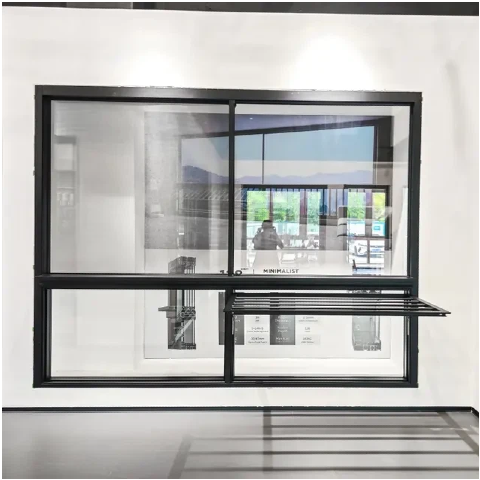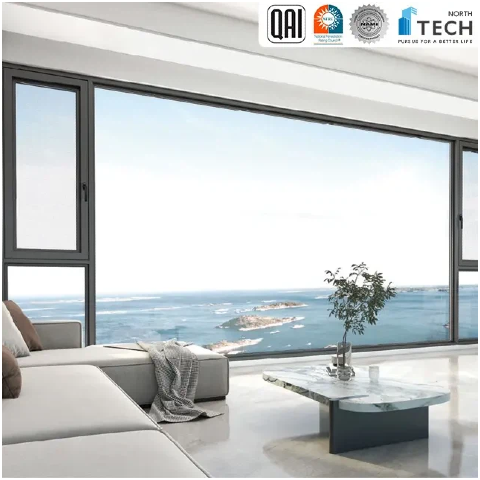
Guest expectations in hospitality are immediate and uncompromising. The moment someone enters a hotel room, they sense whether the space feels comfortable, balanced, and well-maintained. If the area near the window feels overly warm in summer, noticeably cold in winter, or shows visible condensation along the frame, the perception of quality drops instantly. For this reason, many developers and operators rely on a thermally broken aluminum window system to protect comfort, control energy performance, and maintain long-term building value. What may appear to be a technical construction detail actually becomes a central contributor to guest satisfaction, operating efficiency, and brand reputation in hotels and resorts.
What “Thermally Broken” Really Means in Simple Terms
The term “thermally broken” refers to a structural design improvement inside the aluminum frame that enhances insulation performance.
Why standard aluminum transfers heat easily
Aluminum is widely used in window manufacturing because of its strength, structural stability, and ability to support slim frame profiles. However, untreated aluminum conducts heat very efficiently. This means that exterior heat or cold can move through the frame quickly.
In hot climates, sunlight absorbed by the exterior aluminum surface transfers heat inward. In colder climates, interior warmth escapes outward through the same pathway. In hotel guest rooms, this temperature transfer can create cold or hot zones near the window perimeter, which guests notice when sitting near the glass or sleeping close to exterior walls.
How the thermal break separates inside from outside
A thermally broken aluminum window includes a non-conductive insulating barrier placed between the interior and exterior aluminum sections of the frame. This barrier interrupts direct heat flow.
The result is a window frame that maintains structural strength while significantly reducing thermal transfer. The interior side of the frame remains closer to room temperature, improving comfort without sacrificing durability.
Why this matters in everyday building use
Hotels operate continuously. Rooms experience constant climate contrast between indoor conditioning and outdoor weather. A thermal break aluminum window system reduces the impact of those differences.
This separation helps stabilize indoor temperatures, decrease heat loss or gain, and support overall energy management strategies in hospitality buildings.
Why Hotels and Resorts Benefit More Than Many Other Buildings
Not every building has the same occupancy pattern as a hotel. Hospitality properties face unique performance demands.
Guest comfort across day and night
Hotel guests expect a stable indoor environment at all hours. Temperature variations near windows can affect sleep quality and overall satisfaction. A thermally broken aluminum window minimizes surface temperature differences around the frame and glass edges.
The improved insulation performance contributes to a consistent environment, enhancing guest comfort during both daytime occupancy and overnight rest.
Lower strain on heating and cooling systems
Heating and cooling represent major operational costs in hotels. With hundreds of rooms running air conditioning or heating systems simultaneously, energy demand can be significant.
Hotel energy efficient windows that incorporate thermal break technology reduce unnecessary heat exchange. This decreases HVAC workload, contributing to energy savings and lower long-term operating expenses.
More stable indoor conditions in occupied rooms
Guests may adjust thermostats differently depending on personal comfort preferences. Thermal break systems help maintain stable baseline conditions even as occupancy patterns change.
In conference areas, guest rooms, and public spaces, stable frame performance prevents sudden temperature fluctuations near exterior walls.
How Thermal Break Design Helps Reduce Condensation
Condensation is a visible sign of inadequate insulation and can negatively influence guest perception.
Why condensation happens on poor-performing frames
When warm interior air meets a cold frame surface, moisture in the air condenses into water droplets. Standard aluminum frames cool rapidly because of high thermal conductivity.
In humid climates, this issue becomes even more noticeable. Moisture accumulates along frame edges and may drip onto interior finishes.
Why moisture around windows hurts the guest experience
Visible condensation suggests poor building quality. Guests may associate moisture with dampness or discomfort. Persistent condensation can also damage paint, wall coverings, and window hardware.
For luxury or high-end hospitality brands, such visual flaws are unacceptable.
Why better frame separation helps
Thermally broken aluminum windows maintain warmer interior frame surfaces. By reducing direct heat transfer, the risk of condensation decreases.
Condensation resistant windows protect interior finishes and maintain a clean, professional appearance in guest rooms and public areas.
Where These Windows Matter Most in Hospitality Projects
While thermal break systems enhance performance across the building, certain zones benefit significantly.
Guest rooms
Guest rooms demand the highest level of comfort. Beds and seating areas are often positioned near windows. Improved insulation ensures that guests do not experience temperature imbalance near exterior walls.
Lobby areas with large glass
Hotel lobbies frequently incorporate large glazing sections to create open, inviting spaces. These expansive glass areas increase exposure to external temperature differences.
Thermally broken systems reduce heat transfer and help maintain stable lobby conditions, even with extensive glazing.
Coastal or humid resort environments
Resorts located in humid or coastal regions face intense sun exposure and high moisture levels. Thermal break aluminum windows combined with corrosion-resistant finishes provide durability and insulation simultaneously.

Pairing Thermal Break Frames With the Right Glass and Opening Style
Frame technology works best when integrated into a complete system.
Fixed vs operable sections
Fixed glazing may maximize views in high-rise hotels, but operable sections can provide ventilation in certain hospitality designs. Aluminum casement windows with thermal break frames combine airflow flexibility with insulation performance.
Casement options for ventilation where needed
Thermally broken aluminum casement windows allow outward opening while preserving frame separation. This supports natural ventilation without compromising energy efficiency.
Glazing upgrades for comfort and noise control
Double or triple glazing enhances insulation. Low-emissivity coatings reflect unwanted solar heat while allowing natural light. Acoustic glass improves quietness in urban hotel environments.
Long-Term Value for Hotel Owners and Operators
Window systems in hospitality projects must deliver reliable performance for decades.
Durability and reduced upkeep
Aluminum frames are resistant to corrosion and deformation. Thermal break integration enhances structural stability while protecting interior finishes from condensation damage.
Reduced moisture accumulation lowers maintenance frequency and repair costs.
Better building image and guest perception
Guests often evaluate cleanliness and quality based on visible details. Dry, clear window frames without condensation reinforce positive impressions.
Consistent interior comfort supports higher review ratings and repeat bookings.
Performance that supports renovation or new-build projects
Thermally broken aluminum window systems are suitable for both new hotel construction and refurbishment of existing properties. Upgrading to modern insulation technology improves performance without altering architectural identity.
Hospitality Pain Points and Thermal Break Window Benefits
Hotel Concern | What Guests Notice | Window Response | Business Value |
Overheating | Warm surfaces near windows | Reduced heat transfer through thermal barrier | Lower cooling costs |
Cold drafts | Chilly air near glass | Improved frame insulation | Higher guest comfort |
Condensation | Moisture on frame and glass edges | Interior frame temperature remains stable | Reduced maintenance and improved appearance |
Exterior durability | Frame wear in harsh climates | Corrosion-resistant aluminum construction | Long-term structural reliability |
Manufacturing Strength Behind Hospitality Window Solutions
Beijing North Tech Windows is a systematic manufacturer devoted to digital technology and scientific research. The factory occupies 35,000 square meters and produces up to 400,000 square meters of windows and doors annually.
The company manufactures energy-saving thermally broken aluminum windows, aluminum clad wood systems, and UPVC window products. Advanced production equipment ensures precise integration of thermal barriers and consistent frame fabrication.
Located near major seaports on China’s east coast, the company supports efficient export for international hotel and resort projects. Consistent production standards ensure reliable quality across large hospitality developments.
Supporting Sustainable Hospitality Development
Sustainability has become a priority in modern hotel construction. Thermal break technology supports environmental goals by reducing energy consumption.
Lower HVAC demand decreases carbon footprint. Enhanced insulation supports green building certifications. Durable aluminum construction extends product lifespan, reducing material replacement frequency.
Hotels investing in sustainable design benefit from improved operating efficiency and enhanced brand image.
Conclusion
Comfort, cleanliness, and operational efficiency define successful hospitality projects. A thermally broken aluminum window directly improves guest experience by stabilizing indoor temperatures, reducing condensation risk, and enhancing long-term durability. For hotels and resorts seeking reliable thermal break window systems for hospitality, Beijing North Tech Windows provides advanced aluminum solutions engineered for performance and scale. Contact us today to discuss how our window systems can support your next hotel development or renovation project.
FAQ
1. What makes a thermally broken aluminum window different from standard aluminum?
It includes an insulating barrier inside the frame that reduces heat transfer between interior and exterior surfaces.
2. Why are thermal break windows important in hotels?
They improve guest comfort, reduce condensation, and lower energy consumption in continuously occupied buildings.
3. Do thermally broken windows reduce operating costs?
Yes. By minimizing heat gain and loss, they decrease HVAC demand and support energy efficiency.
4. Can thermally broken aluminum windows be used with operable casement designs?
Yes. They can be integrated with aluminum casement windows to combine insulation performance with ventilation flexibility.