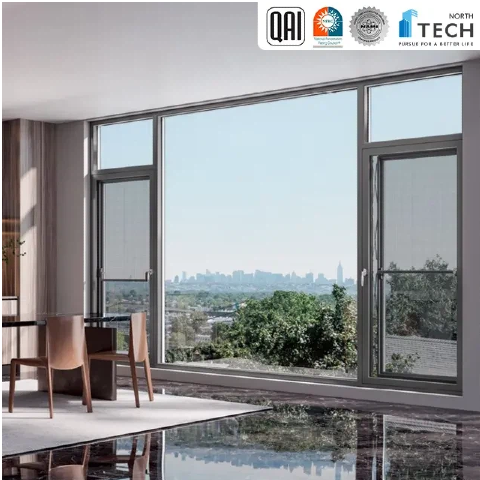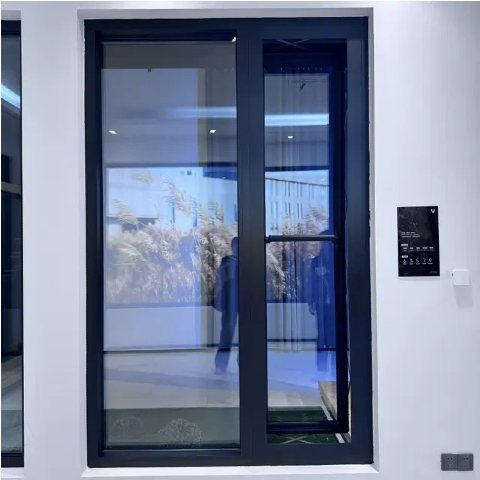
A façade can communicate openness, sophistication, and confidence before anyone even walks through the door. In certain commercial projects, standard window formats do not fully express that intention. A french casement window introduces symmetry, generous airflow, and a wider visual opening that enhances both architectural identity and interior comfort. With two side-hinged sashes opening outward from the center, this configuration transforms a simple window into a distinctive design feature. For showrooms, cafés, reception areas, and low-rise commercial buildings, the French casement format often makes more sense when visual clarity and practical ventilation need to work together.
What Is a French Casement Window?
Before deciding when to use this system, it is important to understand how it differs structurally and visually from other casement designs.
Two operable sashes, center opening
A French casement window consists of two outward-opening sashes hinged on opposite sides of the frame. When both panels are opened, the center space is completely clear of vertical obstructions. This creates a wide, symmetrical opening that feels balanced and generous.
This design is commonly referred to as a double casement window because both sashes operate independently. The absence of a fixed central mullion in the open position is the defining visual advantage.
How it differs from a standard single casement
A traditional single casement window opens from one side, leaving the opposite side fixed within the frame. While this is effective for controlled ventilation, it does not create the same expansive effect.
The French configuration doubles the functional opening width. In commercial façade windows, this difference translates into stronger airflow and more dramatic architectural presence. When closed, both sashes meet securely at the center, maintaining sealing performance similar to standard casement systems.
Why the unobstructed opening matters
An unobstructed center opening improves usability. In ground-level commercial spaces, it enhances communication between indoor and outdoor areas. In hospitality-adjacent environments, it allows easier air exchange and contributes to a welcoming atmosphere.
From a visual standpoint, the clear opening reinforces symmetry. Commercial buildings often rely on rhythm and proportion to define their identity. The French casement format aligns naturally with these architectural principles.
Why This Style Can Work in Commercial Buildings
Commercial architecture often balances aesthetics with functional performance. The French casement window provides both.
Better visual impact in low-rise commercial façades
Low-rise commercial buildings benefit from windows that add character without overwhelming the façade. French casement windows introduce balanced proportions and clean lines that enhance architectural appeal.
When integrated into aluminum framing systems, they maintain structural stability while supporting contemporary design language. Slim aluminum profiles emphasize glass area and preserve a refined appearance suitable for modern retail, office, or mixed-use developments.
More usable ventilation in customer-facing spaces
Customer-facing spaces such as galleries, boutique stores, and cafés often require flexible ventilation. The full-width opening supports strong cross-breezes, improving interior air movement during suitable weather conditions.
Natural ventilation can enhance customer comfort and reduce mechanical system usage. The wider opening also facilitates easier cleaning and maintenance in commercial environments.
A stronger design feature for boutique projects
Boutique commercial projects frequently aim to differentiate themselves visually. The symmetrical double-leaf design becomes part of the façade identity rather than a purely functional element. It signals attention to detail and architectural refinement.
In design-led commercial developments, the window configuration contributes to brand image. A well-proportioned French casement window complements signage, exterior materials, and entry features.
Where French Casement Windows Fit Best
Although versatile, this configuration performs best in specific commercial settings.
Showrooms and display-facing rooms
Showrooms rely heavily on presentation. Wide opening windows allow natural light to enter without visual obstruction. During events or seasonal transitions, they can be opened to create a more engaging environment.
The clear central opening improves accessibility and visual continuity between interior displays and exterior walkways.
Cafés, lounges, and reception zones
Hospitality-oriented commercial spaces benefit from openness. French casement windows allow natural airflow and visual connection to outdoor seating areas.
Reception zones in boutique offices also benefit from enhanced ventilation and architectural symmetry.
Low-rise mixed-use and specialty commercial spaces
Mixed-use buildings that combine retail at ground level and offices above often require adaptable façade solutions. French casement windows suit ground-floor areas where interaction and visibility are priorities, while maintaining cohesive design language across upper levels.
Performance Benefits Beyond Appearance
While design impact is a primary attraction, performance characteristics remain essential in commercial projects.
Airflow and natural ventilation
The dual-sash opening significantly increases airflow potential. In temperate climates, this reduces reliance on mechanical cooling during transitional seasons.
Improved ventilation supports healthier interior environments in spaces with frequent foot traffic.
Wide access for cleaning and maintenance
Commercial buildings must maintain a polished exterior. The wide opening allows easier access for cleaning glass surfaces. Maintenance teams benefit from practical accessibility without specialized equipment in low-rise applications.
Tight closure when properly specified
When closed, French casement windows utilize multi-point locking systems that compress both sashes securely against the frame. Proper engineering ensures reliable sealing performance comparable to standard casement designs.
This compression-based closure reduces unwanted air leakage and contributes to energy efficiency in commercial buildings.

Design Considerations Before Using This Window Style
Strategic planning ensures optimal integration.
Clearance around both sashes
Since both panels open outward, sufficient exterior clearance must be maintained. Walkways, decorative elements, or façade projections should not obstruct operation.
Hardware strength and usage frequency
Commercial environments may require frequent opening. High-quality hinges, reinforced frames, and durable locking systems are essential for long-term reliability.
Matching frame material to the building style
Aluminum frames offer structural strength and slim profiles. Beijing North Tech Windows manufactures high-quality aluminum casement systems that can be customized into French configurations for commercial projects. The integration of digital production technology ensures precision and consistent finish quality.
Positioning the French Casement as a Premium Commercial Feature
This window style should be used thoughtfully within the overall façade strategy.
Position it as a premium feature, not a universal solution
Not every window in a commercial building needs to adopt the French format. Instead, it works best as a highlighted element in key areas where visual impact and airflow matter most.
Emphasize selective use in design-led areas
Ground-floor sections, main entrances, and customer-facing zones benefit most. Selective integration preserves façade rhythm while enhancing architectural expression.
Link the design value back to business image and occupant comfort
A commercial building represents a brand. Wide opening windows signal openness and attention to detail. Enhanced airflow improves comfort for occupants and visitors alike.
French Casement Window vs Standard Casement in Commercial Use
Feature | French Casement | Standard Casement | Best Use Case |
Opening Width | Full center opening, no fixed mullion | Single-side opening | Showrooms, cafés, reception areas |
Visual Impact | Symmetrical and prominent | Functional and minimal | Boutique commercial façades |
Ventilation Capacity | High cross-ventilation potential | Moderate airflow | Customer-facing and hospitality spaces |
Maintenance Access | Easier cleaning access | Standard access | Low-rise commercial buildings |
Hardware Complexity | Dual sash mechanism | Single sash hardware | Design-led commercial applications |
Manufacturing Capability Behind Commercial Adaptation
Beijing North Tech Windows is a systematic manufacturer of high-quality aluminum products, including thermally broken aluminum windows, aluminum clad wood systems, and UPVC windows. With a 35,000 square meter production facility and annual capacity of 400,000 square meters, the company supports commercial developments at scale.
Digital manufacturing processes ensure accurate frame cutting, consistent coating application, and reliable hardware integration. For projects requiring customized French casement window configurations, this production precision ensures uniform performance across multiple units.
Proximity to major seaports supports efficient international delivery. Commercial developers can rely on stable supply timelines and consistent product standards.
Conclusion
A French casement window becomes the better choice when a commercial project demands wider openings, architectural symmetry, and enhanced ventilation without compromising structural reliability. This configuration is particularly effective in showrooms, hospitality-adjacent spaces, and low-rise commercial façades where design and function must align. Beijing North Tech Windows offers customized aluminum solutions engineered to meet these demands. If your development requires high-quality double-leaf casement window systems, contact us to explore commercial façade solutions tailored to your architectural vision.
FAQ
1. What makes a French casement window different from other wide opening windows?
It features two operable sashes that open from the center, creating a clear and symmetrical opening.
2. Are French casement windows suitable for retail spaces?
Yes. They provide strong visual impact and effective ventilation in customer-facing commercial environments.
3. Do French casement windows compromise energy efficiency?
When properly specified with quality glazing and sealing systems, they maintain strong insulation performance.
4. Can aluminum frames be customized into French casement configurations?
Yes. Aluminum casement systems can be engineered into double-leaf formats suitable for commercial façade applications.