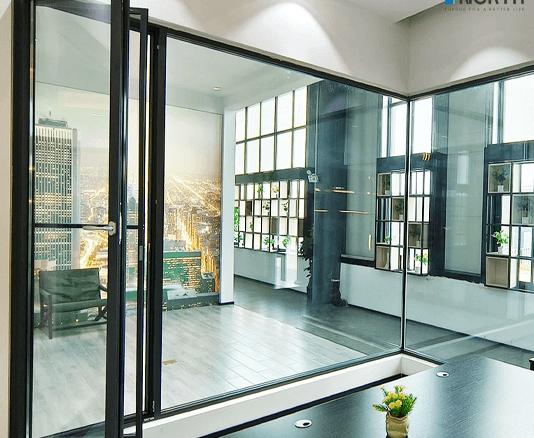
Aesthetic Appeal and Functionality of Narrow Frame Windows
In recent years, narrow frame windows have become increasingly popular in modern architectural designs, offering not just a functional purpose but a sleek aesthetic appeal. These windows are characterized by their slim profiles that maximize the glass area, which brings multiple benefits to both residential and commercial spaces. The trend toward narrow frame windows aligns with the desire for more natural light, unobstructed views, and a minimalist look, which appeals to the modern design ethos.
Unlike traditional windows with bulky, often obstructive frames, narrow frame windows are designed to give an unobstructed view of the outdoors, creating a more open, airy feel. This minimalist approach is highly sought after by architects and designers who are looking to create clean, polished, and sophisticated spaces. But what makes narrow frame windows stand out from traditional options? Let's dive into their distinct features and advantages.
Narrow Frame Concept: Maximizing Glass Area
The core feature of narrow frame windows is the slim profile of the frame itself. The frame, which is often only a few millimeters thick, makes it possible to maximize the glass area. The larger glass panel allows for more light to enter the room, making spaces brighter and more inviting. This feature is particularly beneficial in spaces where natural light is highly valued—think of commercial spaces like offices or retail stores, or residential spaces such as living rooms and kitchens.
Narrow frame windows are especially advantageous in buildings that are located in urban areas where the view is essential. The reduced frame material ensures that the focus is on the view rather than the window structure, making it a popular choice for high-rise buildings, penthouses, or apartments with stunning views.
Visual Appeal: Enhancing Modern Architecture
One of the primary reasons narrow frame windows are so popular is their visual appeal. The minimalist design aligns perfectly with the contemporary architectural style that focuses on simplicity and elegance. These windows give a clean, polished look to any building, creating an impression of openness and transparency. In addition, they help architects achieve a more seamless connection between indoor and outdoor spaces.
In contrast to traditional window frames, which often have a heavier or bulkier look, narrow frame windows have a sleek and streamlined appearance that can make even small spaces appear larger. Whether in homes, commercial offices, or high-end buildings, these windows add sophistication and modernity to any setting.
For homeowners, the aesthetic appeal of narrow frame windows means they can enjoy unobstructed views of the surrounding landscape. This feature is especially desirable for those living in scenic areas such as lakeside properties, city penthouses, or homes with garden views.
Advantages of Narrow Frame Windows in Design:
Sleek and modern aesthetic: The slim frame enhances the clean, minimalistic design of a building.
Unobstructed views: The larger glass area allows for panoramic views of the outdoors.
More natural light: The increased glass area allows more sunlight into the room, reducing the need for artificial lighting.
Improved connection to nature: The frame’s minimalistic design fosters a sense of openness and connection to the environment.
Fun Fact: “Frameless” Look of Narrow Frame Windows
Narrow frame windows are sometimes referred to as “frameless windows” because of how little of the frame material is visible. This term isn’t entirely accurate, as the windows do still have a frame, but the frame is so slim that it appears almost invisible, offering the illusion of a frameless window. This design approach creates an almost seamless look, allowing the glass to dominate and emphasize the view rather than the structure.
While the window does indeed have a frame for structural support, the clever design of narrow frame windows ensures that the frame does not overpower the overall aesthetic. The minimal visibility of the frame enhances the feeling of openness and allows for unobstructed views, a key factor in modern design.
Structural Technology: How Narrow Frames Enhance Glass Durability
Despite their slim appearance, narrow frame windows are designed to be highly durable and capable of supporting large glass panels. The material used for these frames, typically aluminum, ensures that the window frame is both lightweight and sturdy. Aluminum is a popular choice for narrow frame windows because of its strength-to-weight ratio, making it perfect for supporting larger panes of glass without compromising the structural integrity of the window.
Aluminum also offers resistance to corrosion and durability over time, making it an ideal choice for long-lasting windows. When combined with advanced thermal insulation technology, aluminum narrow frame windows are able to provide excellent energy efficiency. This makes them a valuable addition to energy-efficient buildings, where keeping the inside temperature consistent is essential for reducing energy consumption.
Another important consideration is that the construction of narrow frame windows allows for better thermal insulation. With improved materials like double-glazing and low-emissivity coatings, narrow frame windows provide an extra layer of insulation, keeping temperatures stable inside the building. These features help prevent heat loss in the winter and reduce heat gain during summer, making narrow frame windows not only aesthetically pleasing but energy-efficient as well.
Benefits of Narrow Frame Window Construction:
Strength and durability: Aluminum frames provide support for large glass panels while being lightweight.
Thermal efficiency: Modern glazing and coatings improve insulation, reducing heating and cooling costs.
Corrosion resistance: Aluminum is highly resistant to environmental wear and tear, making the frames long-lasting.
Energy Efficiency: Maximizing Light and Minimizing Heat Loss
One of the reasons narrow frame windows are increasingly popular in eco-friendly and sustainable architecture is their energy efficiency. The increased glass area allows for more natural light, reducing the need for artificial lighting during the day. Additionally, energy-efficient low-emissivity (Low-E) glass is often used in conjunction with narrow frames to further enhance insulation.
Low-E coatings help to reflect infrared light while allowing visible light to pass through, minimizing heat loss during the winter months and blocking excessive heat gain in the summer. This contributes to a comfortable indoor climate while also helping homeowners and businesses reduce their overall energy consumption.
Incorporating narrow frame windows into a building design can thus play a significant role in achieving sustainability goals. They are a perfect solution for green building initiatives and can help buildings achieve LEED certification (Leadership in Energy and Environmental Design).
Applications in Various Building Types
Narrow frame windows are versatile and suitable for a wide range of buildings, from high-rise buildings to luxury homes and office spaces. In commercial buildings, narrow frame windows can be used to create visually stunning facades that bring in natural light, reduce lighting costs, and enhance the overall aesthetic of the building.
In residential buildings, these windows make it possible to capture expansive views of the outdoors, whether it’s a garden, cityscape, or waterfront. The larger glass panels create a sense of openness and connectedness to the environment, which is increasingly important in residential designs that focus on wellness and a natural lifestyle.
Conclusion: Why Narrow Frame Windows Are Essential in Modern Architecture
Narrow frame windows are an essential part of modern architecture, offering aesthetic and practical benefits. Their slim profile not only enhances the visual appeal of a building but also maximizes natural light and allows for stunning views. With advances in materials like aluminum and high-efficiency glazing, narrow frame windows are also a highly functional and energy-efficient choice.
As architectural trends continue to favor clean, minimalist designs, narrow frame windows will remain a key component in creating beautiful, functional, and energy-efficient buildings. Whether for residential, commercial, or industrial purposes, these windows offer an ideal solution for those looking to improve the design, performance, and sustainability of their buildings.
For high-quality narrow frame windows and more information on how they can elevate your project, visit Guangdong Hangao Technology Co., Ltd. at www.hangaotech.com.


