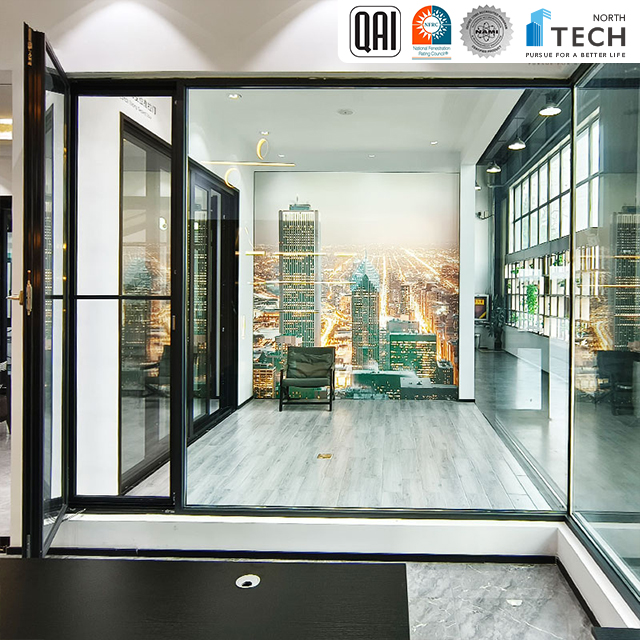
In modern architectural design, narrow frame windows have become an increasingly popular choice for both residential and commercial buildings. With a clean, minimalist aesthetic and a functional edge, these windows offer a wide range of advantages that go far beyond appearance. From improved energy efficiency to enhanced natural lighting and even property value uplift, the narrow frame window is revolutionizing how we design and experience living spaces.
This article explores the full spectrum of benefits that narrow frame windows offer. It includes data-driven comparisons, product trends, and comprehensive FAQs to help you make an informed decision when considering this sleek and stylish window option.
Increased Natural Light and Unobstructed Views
One of the most celebrated features of the narrow frame window is its ability to maximize glass surface area, which means more natural daylight can flood into your living or working space. Traditional windows with thick, chunky frames tend to restrict light and views, but narrow frame windows let light in from every angle.
A study by the National Renewable Energy Laboratory (NREL) shows that homes with optimized daylight reduce electricity use for lighting by 20–60%.
More glass equals more exposure to the outdoors, which improves well-being, focus, and sleep quality according to various environmental psychology studies.
By reducing the visible frame thickness, homeowners and architects can enjoy almost floor-to-ceiling glass panels, offering a seamless view of the outdoors while maintaining a stylish interior look.
Sleek Modern Aesthetics
Narrow frame windows provide an ultra-modern, minimalist look that aligns with current architectural trends. Whether it’s a new build or a renovation project, these windows instantly give properties a high-end appearance.
Key aesthetic benefits include:
Slim profiles for clean lines and minimal obstruction.
Compatibility with both contemporary and industrial styles.
Custom finishes and materials such as powder-coated aluminum or anodized surfaces.
Unlike traditional bulky frames, narrow frame windows blend beautifully into a home’s design, making them a favorite among interior designers and architects looking for elegant simplicity.

Improved Energy Efficiency
Despite their larger glass areas, narrow frame windows can be extremely energy-efficient when manufactured with advanced glazing and frame materials.
Energy Features of Narrow Frame Windows:
| Feature | Description |
| Low-E Glass Coatings | Reflect heat without compromising on natural light. |
| Double/Triple Glazing | Creates thermal barriers that trap heat indoors during winter and block heat in summer. |
| Thermally Broken Frames | Aluminum or steel frames with thermal breaks to reduce conduction. |
| Gas Fills (Argon/Krypton) | Provide added insulation between panes of glass. |
Thanks to these innovations, narrow frame windows can help lower heating and cooling bills, which is a major concern in both hot and cold climates. Homes with these windows are often eligible for green building certifications or tax incentives depending on local regulations.
Increased Property Value
Installing narrow frame windows can significantly boost the value of a property. In today’s housing market, buyers are drawn to homes with modern designs, energy-efficient features, and luxury finishes. By replacing outdated window systems with narrow frame alternatives, homeowners can expect:
Real estate studies indicate that homes with modern window systems can sell for up to 5–10% more than comparable homes with outdated fixtures.
Versatility in Application
Narrow frame windows are highly adaptable and can be integrated into almost any architectural concept. Whether you’re working on a high-rise commercial building or a private countryside villa, these windows fit seamlessly.
Common Applications:
Sliding and bi-fold doors with narrow frames for patios and balconies.
Fixed windows in stairwells or gallery walls.
Tilt-and-turn styles for ventilation and safety in upper floors.
Casement styles for classic but modernized appeal.
The modularity of narrow frame window systems allows builders and homeowners to mix and match configurations to suit any purpose, from maximizing airflow to emphasizing panoramic views.

Enhanced Security Features
Contrary to the assumption that thinner frames mean less strength, narrow frame windows are designed with robust safety in mind. Advanced materials such as reinforced aluminum and steel provide excellent durability, and modern systems often include:
Security doesn't have to be bulky or ugly. With narrow frame window options, you can achieve both sleek design and peace of mind.
Low Maintenance
Another practical advantage of narrow frame windows is that they require minimal upkeep compared to wooden or traditional window systems.
Maintenance Features:
Non-corrosive aluminum or uPVC frames resist rust and moisture.
Powder-coated finishes retain color and texture even under harsh weather.
Glass panels can be easily cleaned with standard products.
In long-term cost analysis, narrow frame windows present significant savings on maintenance and repairs, especially in climates with high humidity or frequent storms.
Eco-Friendly and Sustainable
As climate awareness grows, many builders and homeowners look for sustainable materials. Many narrow frame windows meet green certification criteria:
Made from recyclable materials (e.g., aluminum is 100% recyclable).
Reduce HVAC usage through thermal insulation.
Allow for natural ventilation when designed as operable windows.
Several manufacturers now provide environmentally certified products that comply with LEED, BREEAM, or Passive House standards.
Comparative Table: Narrow Frame Windows vs Traditional Windows
| Feature | Narrow Frame Windows | Traditional Windows |
| Frame Thickness | Minimal (ultra-slim) | Thick and bulky |
| Natural Light Entry | High | Medium to low |
| Energy Efficiency | High with proper glazing | Varies widely |
| Aesthetics | Modern and sleek | Outdated or conventional |
| Maintenance | Low | Moderate to high |
| Security | High with modern locks | Varies depending on frame |
| Customization Options | Extensive | Limited |
| Property Value Impact | Positive and high ROI | Neutral to minimal |
Trends in Narrow Frame Window Technology (2025 Outlook)
With rapid technological advancement and consumer preferences shifting towards minimalist and sustainable living, narrow frame windows are expected to lead future window trends.
Notable Trends:
Integration with smart home systems (automated blinds, sensors).
Larger glass panels with stronger structural frames.
More affordable versions for mass-market accessibility.
Improved soundproofing for urban environments.
These advancements mean that even mid-range residential developments can soon adopt the premium look and benefits of narrow frame windows.
FAQs
Q1: Are narrow frame windows more expensive than standard windows?
A: Initially, yes. However, the long-term benefits such as energy savings, low maintenance, and increased property value often outweigh the upfront cost.
Q2: Are they suitable for colder climates?
A: Absolutely. With the right double or triple glazing and thermal breaks, narrow frame windows perform exceptionally well in both cold and hot environments.
Q3: Can they be customized?
A: Yes. You can choose from various materials (aluminum, steel, uPVC), colors, glazing options, and even frame thickness depending on structural requirements.
Q4: What is the average lifespan of a narrow frame window?
A: High-quality narrow frame windows can last 30–50 years or more with minimal maintenance.
Q5: Are they compatible with smart home features?
A: Yes. Many modern narrow frame window systems are compatible with automated opening systems, smart locks, and climate control integration.
Q6: Can I install narrow frame windows in a renovation project?
A: Definitely. Retrofits are common, and many systems are designed to fit into existing window openings with minimal structural changes.
Q7: Are narrow frame windows safe for children or high-rise buildings?
A: Yes. Most models include child-safe locks, tempered or laminated glass, and can be restricted in their opening range for enhanced safety.
Final Thoughts
The growing popularity of narrow frame windows isn’t just a passing trend—it's a reflection of changing lifestyle priorities. From offering expansive views and natural lighting to increasing energy efficiency and property value, these windows combine style, functionality, and sustainability.
Whether you're a homeowner, architect, or builder, choosing narrow frame windows can be one of the smartest design investments. With the market now offering numerous customizable, high-performance options, there’s never been a better time to upgrade your view—literally.