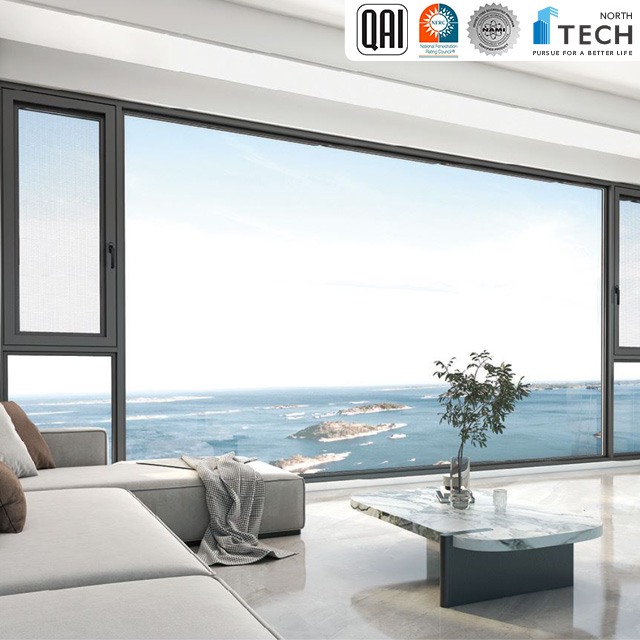
Spec builders, forward-thinking architects, and large-scale developers face immense pressure daily. You must seamlessly balance high-end architectural integrity with rigid project margins. Sourcing premium fenestration demands much more than just matching an aesthetic vision. Selecting a reliable aluminum clad wood window supplier goes far beyond outward appearances. It is fundamentally about mitigating severe lead-time risks. It involves preventing costly installation damage on the chaotic job site. You must also proactively control cost escalations on large multi-unit orders. This article provides a rigorous, BS-free framework to evaluate potential manufacturing partners. We will show you exactly how to assess them based on strict manufacturing standards. You will learn to identify true pricing transparency and demand supply chain reliability. By applying these criteria, you can secure high-performance windows effortlessly. You will protect your project timeline and maintain healthy profit margins from day one.
Key Takeaways
Extruded aluminum cladding is a mandatory baseline for premium builds, preventing structural damage during transit and installation.
A reliable supplier actively assists in cost-engineering, such as optimizing sash configurations or advising on wood species premiums (e.g., Pine vs. Oak).
Trustworthy manufacturers provide absolute transparency regarding standard lead times (typically 6–12 weeks) and the specific custom finishes that cause delays.
For imported windows, rigorous export packaging (fumigation-free crates, independent PE filming) is just as critical as the product quality itself.
Core Evaluation Criteria for an Aluminum Clad Wood Window Supplier
Marketing brochures often promise the world. Actual job site performance tells a completely different story. Builders face a massive gap between sales claims and structural reality. You need a partner who truly understands complex thermal dynamics. They must grasp local building codes perfectly. They also need to calculate structural wind loads accurately for your specific region. You cannot afford a manufacturer who merely pushes standard catalog items without considering the physics of your building envelope.
Start your evaluation by establishing strict technical baselines. Shortlist companies who readily provide verifiable thermal performance data. Ask for precise lab testing numbers upfront. You should target U-Values around 0.15 for high-efficiency residential builds. Look for robust R-Values exceeding 6.0 to ensure superior insulation. If a potential partner hesitates to share these independent test reports, walk away immediately. Transparent data defines a trustworthy manufacturing relationship.
Next, measure their everyday responsiveness. Gauge how quickly they adapt standard dimensions to your actual rough openings. Many projects feature slightly off-standard framing requirements. A competent manufacturer will tweak their unit sizing to fit your walls perfectly. They should do this effortlessly. More importantly, they must provide this sizing flexibility without charging exorbitant custom engineering fees. True partners adapt to your build, not the other way around.
Manufacturing Competence: Extruded vs. Roll-Formed Aluminum
Understanding internal manufacturing methods separates adequate suppliers from exceptional ones. We generally divide exterior cladding processes into two primary solution categories. The choice between them heavily impacts long-term durability and structural rigidity. You must understand this difference before signing any purchase orders.
Roll-formed aluminum involves bending a thin metal coil directly over the timber frame. Manufacturers favor it because it is undeniably cheaper to produce. However, it introduces massive structural risks. This thin gauge material is highly susceptible to denting. Environmental factors like moderate hail easily damage it. Even worse, contractors routinely dent these flimsy profiles during the actual installation process. Handling errors on-site lead to rejected units and costly replacement cycles.
You must require extruded aluminum for any premium build. Manufacturers create this by forcing heated aluminum through a solid die. This specialized process yields a significantly thicker profile. It boasts much higher impact resistance against debris. Extruded frames easily handle severe coastal wind loads without flexing. They maintain rigid structural integrity decades after the initial installation. It represents the gold standard for high-end residential and commercial fenestration.
Always advise your purchasing team to take evaluation action. Request physical cross-section samples mailed directly to your office. You need to verify the cladding thickness firsthand. Inspect the 90-degree exterior profile joints closely. True extruded joints look absolutely seamless and feel incredibly rigid in your hands.
Manufacturing Method Comparison Chart
Feature | Roll-Formed Cladding | Extruded Cladding |
Manufacturing Process | Thin coil bent over the wood frame. | Heated metal forced through a solid die. |
Profile Thickness | Very thin (often under 1.2mm). | Thick and robust (typically 1.5mm to 2.0mm+). |
Impact Resistance | Low. Prone to hail and installation dents. | High. Resists heavy impacts and handling abuse. |
Best Application | Budget-conscious standard housing. | Premium residential, coastal, and commercial builds. |
Transparent Pricing and Cost-Engineering Capabilities
Pricing should never feel like a confusing guessing game. A reliable aluminum clad wood window supplier does not just hand you a flat quote. They actively offer strategies to help you maximize your project ROI. Subtle specification changes often lead to massive cost variations. In fact, smart engineering choices can yield up to 50% savings on the final invoice.
Interior wood choices drastically impact the final unit price. Do not assume all timber carries the same base cost. Standard options like Pine or Meranti provide excellent value for most projects. They look absolutely beautiful when painted or lightly stained. Conversely, premium hardwoods carry massive premiums. If you specify Oak or Walnut, expect a 75% or higher price jump. A great partner will explain these wood species premiums clearly before production begins.
A highly competent manufacturer will also suggest brilliant layout tweaks. They optimize your configuration to lower costs without altering your original rough opening sizes. These smart compromises define true value engineering.
Analyze Sash Ratios: Evaluate the ratio of operable sashes to fixed glass panels. Operable units always cost significantly more.
Swap Opening Mechanisms: Replace expensive twin push-out casements. Instead, utilize a large fixed window paired with a smaller awning mechanism.
Reduce Mulling Charges: Simplify complex window walls. Fewer individual frames mean drastically lower hardware costs and factory mull charges.
Standardize Hardware: Select robust commercial-grade handles instead of imported boutique hardware for secondary rooms.
Assessing Design Versatility and Historical Compliance
Architectural styles dictate highly specific fenestration requirements. Your chosen Aluminum Clad Wood Window must meet these design mandates precisely. The best suppliers adapt their manufacturing lines to suit your distinct aesthetic vision.
Historic renovations present unique and frustrating challenges. You must verify if the supplier manufactures authentic historic elements. Do they offer traditional putty profiles? Can they execute true through-stile construction techniques? These minor details matter immensely during the inspection phase. Strict historical boards demand absolute authenticity. Organizations like the National Park Service require stringent visual compliance before granting tax credits or project approvals.
Contemporary builds lean entirely in the opposite direction. You must assess their ability to manufacture modern, expansive glass walls. Look for ultra-narrow sightlines that maximize daylight. Ask your rep about architect-inspired, concealed hardware options. Features like integrated, hidden screens define true luxury in modern minimalist design. The hardware should disappear entirely when the sash remains closed.
Furthermore, you must address the harsh regional reality of UV degradation. Darker aluminum finishes fade much faster in high-sun exposure areas. South-facing facades in places like Texas, Arizona, or Florida take a brutal daily beating. You must demand detailed specs on their high-performance architectural coatings. Premium anodized finishes are excellent. AAMA 2605-rated commercial paints are absolutely non-negotiable for dark exterior hues. These coatings ensure the sleek black or bronze finish looks pristine ten years later.
Supply Chain Realities, Lead Times, and Freight Safety
Beautiful fenestration means absolutely nothing if it arrives three months late. You must tackle supply chain realities head-on during the procurement phase. Reliable scheduling keeps your framing crews working and prevents costly holding delays.
The industry-standard domestic turnaround hovers between 6 and 12 weeks. A trustworthy supplier practices absolute lead time honesty from day one. They will transparently flag specific elements that trigger production delays. Custom color matches always add weeks. Oversized architectural glass requires specialized tempering schedules. Specialty European multi-point hardware might face international shipping backlogs. Your partner should highlight these risks before you sign the contract.
Many developers utilize an overseas aluminum clad wood window supplier to drastically reduce material costs. If you choose this highly profitable route, pivot your evaluation heavily toward logistics infrastructure. Factory prowess means little without robust global shipping capabilities. You must scrutinize their export department closely.
Cheap packaging completely negates your upfront cost savings. Transporting heavy glass and pristine metal requires serious physical protection. You must specify exactly what you expect to see on the shipping docks. Do not leave packaging to chance.
Fumigation-Free Crates: Require stamped, engineered wood crates to prevent customs holds at the port of entry.
Independent PE Filming: Demand thick polyethylene film wrapping on every single window unit to block moisture and dust.
Heavy-Duty Corner Isolation: Mandate high-density foam blocks on all four corners to absorb sudden forklift impacts.
Anti-Shock Palletizing: Ensure crates feature internal strapping to prevent heavy sashes from shifting during turbulent ocean transit.
Conclusion
Finding the right manufacturing partner requires diligent, methodical investigation. Do not base your final decision solely on the lowest price per square foot. That single metric hides immense downstream risks, from dented frames to massive project delays. Instead, evaluate the broader picture. Focus intensely on material integrity, engineering support, and logistical reliability.
Take immediate action to secure your supply chain. First, request a detailed quote breaking down hardware costs versus raw material costs. Second, demand a physical cross-section sample of their extruded cladding to verify thickness. Finally, rigorously verify their ocean freight and domestic transit packaging protocols. By enforcing these strict standards, you ensure beautiful, high-performance windows arrive on time and intact.
FAQ
Q: Are aluminum clad wood windows worth the premium over standard aluminum?
A: Yes. They combine superior interior aesthetic warmth with commercial-grade exterior weather resistance. The extruded exterior handles severe weather perfectly. Meanwhile, the solid timber interior generally offers much better U-values than standard thermally broken aluminum. They elevate the overall property value significantly.
Q: How can I reduce the cost of an aluminum clad wood window order?
A: Optimize the window configurations during the drafting phase. Reduce the total number of operable sashes. Opt for crank-out mechanisms over expensive push-out hardware. Finally, select standard wood species like Pine or Meranti instead of premium hardwoods like Oak to lower the base material cost.
Q: Do dark-colored aluminum clad windows fade over time?
A: Yes, darker hues are inherently more susceptible to UV fading over the decades. It is critical to ensure the supplier uses high-grade, commercial architectural paint. Demand AAMA 2605-rated powder coatings or premium anodized finishes, especially for projects located in high-sunlight regions.


