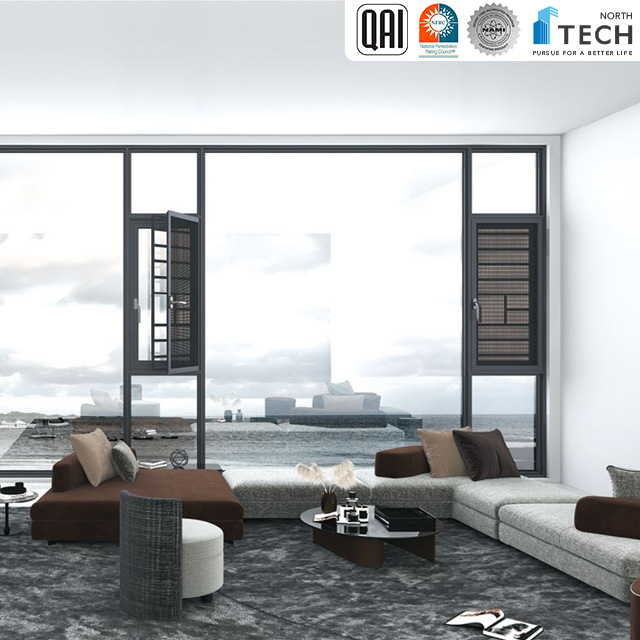
Sourcing a Tilt And Turn Window system is a high-stakes decision. Structural integrity, energy compliance, and project timelines depend heavily on manufacturing competence. A single poor choice can disrupt an entire development schedule. The market is saturated with suppliers claiming "European quality" or "German engineering." However, assembly precision, hardware provenance, and supply chain reliability vary drastically among manufacturers. Buyers frequently navigate confusing specifications and vague promises when searching for a genuine tilt and turn windows factory. It is easy to fall for clever marketing over substantive quality control. This guide provides a practical, evidence-based framework for vetting potential manufacturing partners. You will move past marketing claims to evaluate verifiable production capabilities. We will explore essential hardware checks, independent performance certifications, and rigorous logistical protocols. Ultimately, you will learn exactly how to secure premium windows for your next building project.
Key Takeaways
Hardware provenance is non-negotiable: A reliable factory transparently sources multi-point locking mechanisms and hinges from established industry leaders (e.g., Roto, Winkhaus, Siegenia).
Certifications require verification: Look for independent, third-party testing data for U-values, air/water tightness, and structural loads (e.g., NFRC, AAMA, CE, or Passive House).
Logistics dictates project success: Evaluate the factory’s packaging protocols, lead-time consistency, and defect-resolution processes before placing bulk orders.
Direct manufacturer vs. trading company: Always request factory audits or live video walk-throughs of the extrusion and assembly lines to confirm actual manufacturing capabilities.
Understanding the Core Components: Profiles and Hardware
Profile Quality and Extrusion Standards
Base materials dictate window performance entirely. You must evaluate multi-chamber profile designs rigorously. Premium factories utilize high-grade uPVC or thermally broken aluminum. Aluminum frames require specialized polyamide strips. These strips stop thermal bridging effectively. They prevent interior condensation during cold winters. Good suppliers manufacture frames meeting Class A wall thickness standards. This typically means outer walls measure at least 2.8 millimeters. Thicker walls prevent warping over decades of use. They guarantee better structural stability during extreme wind events. They also hold heavy hardware screws securely.
Always interrogate suppliers about raw material sourcing. Base extrusions should originate from reputable brands. Rehau, Veka, and Schüco offer proven extrusion profiles. A reliable tilt and turn windows factory will gladly disclose their suppliers. They provide material certificates upon request. Compromised base materials lead to irreversible frame failure. Cheap PVC formulations turn yellow under ultraviolet exposure. They become brittle and crack easily. You cannot fix a bad extrusion profile later.
The Hardware Engine
Window longevity relies exclusively on internal hardware. Moving parts endure intense daily stress. They support massive triple-pane glass units. They enable the complex dual-action opening mechanism. Subpar hardware causes sagging sashes rapidly. It leads to broken handles and compromised security. You must actively vet all internal mechanical components. We highly recommend using a structured hardware checklist during supplier evaluation. Pay attention to the following crucial details:
Load-Bearing Capacity: Heavy-duty hinges must support weights exceeding 100 kilograms. Concealed hinges offer better aesthetics alongside similar strength.
Steel Core Reinforcements: uPVC frames demand internal metal stiffeners. Galvanized steel prevents frame distortion under heavy wind loads.
Corrosion Resistance: Coastal environments require specialized hardware. You need marine-grade surface coatings. Look for high salt-spray test ratings.
Locking Points: Genuine systems feature continuous perimeter multi-point locking mechanisms. They secure the sash firmly against weather stripping.
Verifying Quality Control and Industry Certifications
Performance Testing
Buyers must demand specific performance test reports early. Do not accept vague performance promises. You require hard, quantifiable data. Ask for Thermal Transmittance scores immediately. Lower U-values indicate superior insulation properties. Review Solar Heat Gain Coefficient metrics carefully. Low SHGC ratings prevent buildings from overheating during summer. Check Acoustic Insulation ratings thoroughly. Look for high STC or OITC numbers. These ratings ensure urban noise stays outside.
Extreme weather testing holds equal importance. Your Tilt And Turn Window units must survive severe environmental stress. Request structural wind load resistance documents. Review static and dynamic water penetration test results. Reliable suppliers simulate hurricane conditions routinely inside testing chambers. They push physical limits to guarantee safety.
Regulatory and Compliance Audits
Certifications separate genuine factories from amateur workshops. You must verify ISO 9001 certifications independently. Do not trust website logos blindly. Request the actual registration certificate numbers. Check these numbers against official registry databases. Regional compliance dictates legal building code approval. North American buyers absolutely need NFRC labels. European projects strictly require CE marking. Passive House Institute certification represents the highest energy standard globally.
Beware suppliers promoting purely "in-house testing" procedures. Internal laboratory results mean nothing without external verification. Rogue factories manipulate internal test conditions easily. Always demand independent, third-party laboratory reports. Reputable testing bodies provide unbiased performance verification.
Certification Body | Primary Region | Verification Scope |
NFRC | North America | Energy performance (U-value, SHGC, Visible Transmittance) |
CE Marking | Europe | Health, safety, and environmental protection standards |
AAMA | United States | Air infiltration, water penetration, and structural integrity |
ISO 9001 | Global | Consistent quality management and manufacturing systems |
Evaluating Customization Capabilities and Tooling
Scalability of Custom Orders
A competent tilt and turn windows factory embraces deep customization. They never force clients into rigid standard sizes. Large architectural projects demand non-standard dimensions. Designers frequently request unique structural shapes. True manufacturers adjust their machinery seamlessly.
Customization scalability follows specific engineering phases. You should observe these sequential steps when evaluating suppliers:
Analyzing variable dimension tolerances on detailed technical drawings.
Matching custom RAL colors via advanced powder coating or lamination foiling.
Adjusting frame profile depths to accommodate specialized wall structures.
Modifying internal glazing pockets for thicker triple pane glass units.
We highly recommend reviewing a supplier's previous custom portfolio. It reveals their real-world engineering adaptability.
Glass Sourcing and Processing
Glass constitutes the largest window surface area. You must understand how potential factories handle glass processing. Ask if they operate an in-house glass tempering line. Do they assemble Insulating Glass Units internally? Many suppliers outsource this highly critical step. Outsourcing introduces massive quality control vulnerabilities.
In-house processing offers tremendous technical advantages. It indicates superior manufacturing control. Factory technicians monitor argon or krypton gas fills directly. They measure gas concentration levels accurately. They apply warm-edge spacers with automated precision. Automated sealing robots ensure perfectly uniform secondary seals. Outsourced glass increases defect risks significantly. A fully integrated factory controls the entire thermal barrier system. They take full accountability for glass performance.
Supply Chain Resilience, Lead Times, and Packaging
Production to Delivery Realities
You must establish transparent timeline expectations immediately. High-quality production takes considerable time. Extrusion and custom coloring add weeks to schedules. International shipping introduces substantial transit delays. Do not trust overly optimistic delivery schedules. They typically mask hidden production bottlenecks. Suppliers promising impossible speed often cut corners.
Address Minimum Order Quantities aggressively upfront. High MOQs disrupt essential prototype requests. They complicate mock-up orders for massive residential developments. A flexible supplier gladly accommodates initial sample runs. They understand developers need physical units for final client approval. They view sample orders as crucial investments in long-term partnerships.
Crating and Transit Security
Poor packaging represents a massive critical failure point. Beautifully engineered windows lose all value if they arrive shattered. Frame warping during ocean freight happens frequently. You must interrogate specific packaging protocols heavily. Proper export packaging prevents devastating transit damage.
You should strictly demand ISPM-15 certified wooden crates. Certified wood blocks destructive pests during international shipping. Factories must secure frames using heavy shock-absorbing materials. They should never let glass units touch raw wood. Moisture barriers are absolutely essential for ocean freight. Salt air corrodes unprotected hardware quickly.
Packaging Element | Poor Standard (Red Flag) | Premium Export Standard |
Crate Material | Untreated, flimsy plywood | ISPM-15 certified solid wood bracing |
Internal Protection | Loose cardboard scraps | Custom foam shock-absorbers |
Weather Resistance | None or thin plastic wrap | Vacuum-sealed moisture barrier bags |
Handling Indicators | Unmarked exterior panels | Clear center-of-gravity and tilt sensors |
Red Flags: How to Spot Unreliable Manufacturers
The "White-Label" Illusion
Many prominent online suppliers operate merely as trading companies. They pretend to manufacture goods directly. You must distinguish genuine factories from these middlemen. Middlemen add entirely unnecessary cost markups. They also struggle severely to resolve complex engineering issues. They lack direct control over production lines.
Look for specific proof of physical manufacturing. Ask for live, unedited footage of CNC machinery operating. A real tilt and turn windows factory welcomes virtual tours. They proudly show you their active assembly lines. Trading companies hesitate or make excuses. They demonstrate an inability to modify intricate engineering drawings quickly. They always have to "check with the engineers" instead of answering directly.
Vague Warranty Terms
Warranty documents reveal a manufacturer's true operational confidence. Unreliable suppliers offer highly generic guarantees. They bundle everything under a vague, short-term clause. This practice leaves buyers vulnerable to incredibly expensive replacements. Hardware failure costs escalate rapidly.
Reliable warranties break down specific component lifespans clearly. You should expect ten or more years on rigid structural profiles. Complex moving hardware requires at least a solid five-year guarantee. Look for highly specific clauses addressing Insulating Glass Unit seal failures. Gas leakage is a common long-term defect. Clear, categorized terms demonstrate maturity. They show the supplier understands distinct material wear rates.
Refusal to Provide Material Invoices
European hardware branding proves surprisingly easy to fake. Unscrupulous suppliers laser-engrave famous German logos onto cheap zinc metals. You must verify component authenticity proactively. Visual inspections alone fail to catch sophisticated counterfeits.
Ask factories directly for commercial purchasing invoices. Trustworthy manufacturers gladly show raw material documentation. They buy from authentic European hardware or glass suppliers regularly. They have absolutely nothing to hide. If a supplier refuses to show import documents, walk away immediately. They often claim "trade secrets" to hide counterfeit sourcing. Genuine manufacturers leverage top-tier brands as robust selling points.
Conclusion
Vetting a window supplier requires diligent investigation. Marketing claims cannot replace hard evidence. You must follow a strict shortlisting logic. Start by confirming component provenance. Verify all independent, third-party performance certifications. Finally, stress-test their logistical communication and packaging standards.
Take these actionable next steps to secure your order successfully:
Request a physical sample window, choosing either a corner cut or a full-size unit.
Schedule a live video factory tour to inspect CNC machinery and active assembly lines.
Demand detailed technical drawings alongside your initial commercial quote.
Ask for commercial invoices proving recent European hardware purchases.
FAQ
Q: How can I verify if a tilt and turn windows factory actually uses European hardware?
A: Request commercial invoices or import documents directly from the supplier. They should prove purchases from established hardware brands like Roto or Siegenia. Additionally, examine the physical stamps and logos engraved on the metal components of any sample units you receive. Counterfeits often have misaligned or shallow engravings.
Q: Are Chinese tilt and turn window factories reliable compared to European ones?
A: Top-tier Asian factories are highly reliable. They utilize the exact same German CNC machinery and imported European hardware as their western counterparts. They offer premium quality at better margins. However, risks emerge with lower-tier suppliers. Rigorous vetting of independent certifications remains the crucial differentiator.
Q: What is the standard lead time for a custom tilt and turn window order?
A: Typical timelines require four to six weeks for manufacturing production. You must add three to six weeks for ocean freight if ordering internationally. Reliable factories will provide transparent Gantt charts outlining these phases. They avoid making overly optimistic promises that hide inevitable logistical realities.
Q: Should I buy windows with the glass already installed or glazed on-site?
A: Factory-glazed units ensure superior Insulating Glass Unit seal integrity. They benefit from highly controlled manufacturing environments. However, pre-glazed windows are exceptionally heavy. They require specialized heavy machinery for safe on-site unloading and installation. Weigh these equipment requirements against the quality control benefits before deciding.


