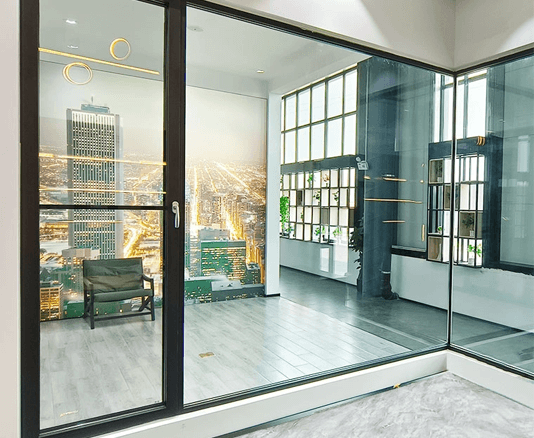
Aluminum windows are celebrated for their strength, durability, and sleek appearance, often chosen for modern architecture. When it comes to designing windows with an elegant, minimalist look, narrow or slim frames are a popular option. Many wonder, "How slim can an aluminum window be?"
The Evolution of Aluminum Windows
Over the years, aluminum windows have evolved from being bulky and industrial to sleek, minimalistic, and energy-efficient. In the past, windows were often large and framed with heavy materials to support the glass. However, modern design preferences have shifted toward maximizing the amount of natural light entering a space, which has driven the development of slimmer window frames.
Aluminum's intrinsic properties, such as its high strength-to-weight ratio, make it ideal for creating ultra-slim frames that can support large panes of glass without compromising stability. This innovation has revolutionized how architects design windows, pushing the limits of what’s possible in terms of slimness and aesthetics.
Material Type and Its Impact on Slimness
The material used in the window frame is the biggest factor affecting how slim it can be. Some materials provide superior strength while others require a thicker structure for stability. Below are the most common window frame materials and their minimum possible thickness:
1. Aluminum Window Frames – Slimmest Option
Aluminum is one of the strongest yet lightest materials, allowing manufacturers to create extremely thin window frames.
Minimum Frame Width: 20mm (0.8 inches)
Advantages: High strength, modern aesthetic, corrosion resistance
Disadvantages: Poor insulation unless thermally broken
Due to its strength, aluminum can support large glass panes without requiring thick borders. It is an excellent option for floor-to-ceiling windows, sliding doors, and panoramic glass walls.
2. Steel Window Frames – The Ultra-Slim Champion
Steel is even stronger than aluminum and allows for some of the thinnest window frames available.
Minimum Frame Width: 15mm (0.6 inches)
Advantages: Exceptional strength, ultra-slim design, excellent durability
Disadvantages: Expensive, requires special coatings to prevent rust
Steel-framed windows are often used in luxury residences, commercial buildings, and industrial-style lofts where ultra-thin frames are desired.
3. uPVC (Vinyl) Window Frames – Energy Efficient but Thicker
uPVC (unplasticized polyvinyl chloride) is a cost-effective and energy-efficient material but requires a thicker structure for strength.
Minimum Frame Width: 50mm (2 inches)
Advantages: High insulation, affordable, low maintenance
Disadvantages: Bulkier appearance, lower strength compared to metal
uPVC is a good choice for residential homes where energy efficiency is a priority, but it does not allow for the sleek, minimalistic design of aluminum or steel.
4. Wooden Window Frames – A Classic but Bulky Choice
Traditional wooden frames provide a natural, elegant look but require significant thickness to maintain durability.
Minimum Frame Width: 60mm (2.4 inches)
Advantages: Aesthetic appeal, good insulation
Disadvantages: Requires maintenance, thicker design
Wood is best for classic or rustic-style homes, but it is not the best option for achieving a modern, ultra-slim window profile.
Window Type and Its Influence on Frame Width
Not all window types can support the thinnest possible frame. Some styles require reinforced frames to accommodate moving parts.
1. Fixed Windows – Thinnest Frames Possible
Fixed windows do not open, so they can have the slimmest possible frame width.
Minimum Frame Width: 15mm (0.6 inches) (Steel)
Ideal for: Large picture windows, modern homes, office buildings
2. Casement Windows – Slightly Thicker for Hinges
Casement windows are hinged and require additional structural support to hold the weight of the glass when opened.
Minimum Frame Width: 25mm (1 inch) (Aluminum)
Ideal for: Homes needing ventilation with a modern look
3. Sliding Windows – Medium-Thickness Frames
Sliding windows need tracks to move along, requiring a slightly thicker frame for smooth operation.
Minimum Frame Width: 35mm (1.4 inches) (Aluminum)
Ideal for: Balconies, modern apartments, high-rise buildings
Benefits of Slim Aluminum Windows
Slim aluminum windows offer several advantages over traditional window designs. Here are some key benefits that have made them increasingly popular in contemporary architecture:
1. Maximized Natural Light
One of the most significant benefits of narrow aluminum window frames is the ability to maximize the amount of natural light that enters a space. Slim frames allow for larger panes of glass, providing an unobstructed view of the outside world and allowing more sunlight to enter the room. This enhances the overall atmosphere of a space, making it feel brighter and more open.
2. Modern Aesthetics
Slim window frames are synonymous with modern, minimalist design. Their clean lines and sleek appearance contribute to a contemporary look that complements both residential and commercial architecture. This aesthetic appeal is one of the reasons why narrow aluminum windows are favored in modern homes, offices, and buildings.
3. Energy Efficiency
Despite their slim profile, modern aluminum windows are highly energy-efficient. The use of thermal breaks and advanced glazing options means that these windows can provide excellent insulation, keeping homes cool in the summer and warm in the winter. Energy-efficient windows help reduce heating and cooling costs, making them a cost-effective and environmentally friendly option.
4. Durability and Longevity
Aluminum is a highly durable material that is resistant to weathering, rust, and corrosion. Slim aluminum windows are designed to withstand harsh weather conditions, ensuring that they maintain their appearance and functionality over time. This durability ensures that aluminum windows provide a long lifespan, offering excellent value for investment.
5. Low Maintenance
Aluminum windows are low-maintenance compared to other materials like wood. They do not require frequent painting or treatment to prevent deterioration, and their sleek design makes cleaning easy. The minimalistic frame means there are fewer corners and crevices where dirt and grime can accumulate, making them easier to maintain and keep clean.
Applications for Slim Aluminum Windows
Slim aluminum windows are well-suited to various types of buildings and applications. Their versatility makes them a popular choice for a wide range of architectural styles and settings:
1. Residential Use
In residential buildings, slim aluminum windows can be used to create a modern and airy atmosphere. They are ideal for locations with beautiful views, as the narrow frames provide unobstructed sightlines and allow for large panes of glass. Whether used in living rooms, kitchens, or bedrooms, these windows let in ample natural light and improve the overall feel of the space.
2. Commercial Buildings
For commercial buildings, slim aluminum windows can enhance the appearance and energy efficiency of the structure. They are commonly used in office buildings, retail spaces, and high-rise structures where natural light and sleek design are essential. The slim profile of these windows makes them suitable for large glass facades and curtain walls, helping create an inviting and modern environment.
3. Modern Architecture
Modern architects often favor slim aluminum windows due to their ability to blend seamlessly into contemporary designs. The minimalist appearance of these windows complements clean, geometric lines and open-plan spaces. They are commonly found in luxury homes, architectural landmarks, and buildings with a focus on maximizing views and natural light.
4. Green Building Projects
As energy efficiency becomes an increasing priority in construction, slim aluminum windows are being used in green building projects. Their combination of high energy efficiency and sleek design makes them a sustainable choice for buildings aiming to meet stringent environmental standards. Slim windows with thermal breaks and low-emissivity glass help minimize energy consumption while still offering ample natural light.
Conclusion
In conclusion, slim aluminum windows are a fantastic solution for anyone seeking a balance between aesthetics, energy efficiency, and durability. Their ability to offer expansive glass views with minimal framing makes them highly sought after in modern architecture. Whether you're enhancing your residential space or upgrading commercial properties, these windows can help create sleek, open environments that make the most of natural light.
To explore more options and get expert advice on slim aluminum windows, visit Beijing NorthTech Group Ltd. at www.northtechwindowscn.com for more information or to get in touch with their team.


