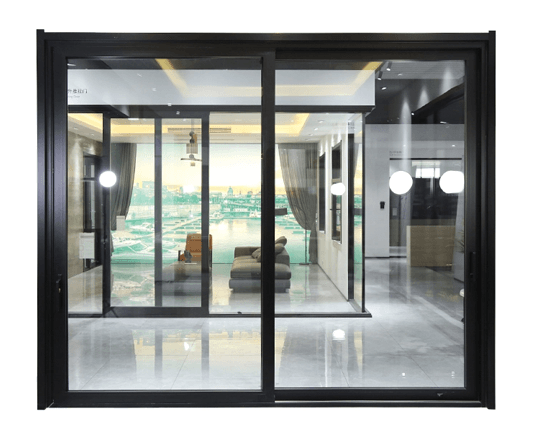
The Trend Toward Slimmer Frames and Its Impact on Design
Over the past few decades, the design and aesthetic preferences for windows have evolved significantly. One of the most prominent trends in modern architecture is the preference for slimmer window frames. This shift towards minimalism not only contributes to a sleeker, more modern look but also enhances the amount of natural light entering a building, improving interior ambiance. The growing desire for expansive glass panels, especially in residential and commercial architecture, raises the question: how narrow can a window frame be before it compromises the frame's functionality and structural integrity?
How Narrow Frame Can a Window Be?
The narrowest window frames can be as thin as 15mm (0.6 inches), especially for materials like steel and aluminum. These materials are strong enough to allow for ultra-slim designs, but the frame thickness also depends on the window type and glass size. For large glass panels, thicker frames are required for structural support. For energy efficiency, thermal breaks are often incorporated into slim aluminum frames to balance aesthetics and performance.
Frame Thickness Considerations: Balancing Strength and Thermal Efficiency
While the aesthetics of narrow window frames are important, their primary function remains structural support. Window frames must be able to handle the weight of the glass and provide resistance to wind and other external forces. Therefore, the thickness of a window frame plays a crucial role in ensuring that it performs its job without compromising the integrity of the structure.
As window designs evolve, there are several key considerations for how thin a frame can be without sacrificing essential characteristics like strength, security, and thermal performance.
Strength and Stability:
A window frame must be strong enough to support the glass without bending, warping, or cracking under pressure. As the width of the frame decreases, there is less material to absorb the pressure exerted by external forces. For this reason, manufacturers must ensure that even with narrower frames, the material used retains high strength. Aluminum, steel, and composite materials are popular choices, as they provide both strength and durability in a lightweight design.
Thermal Efficiency:
Another major consideration for slim window frames is maintaining thermal efficiency. Window frames, particularly in climates that experience extreme weather conditions, must prevent heat loss and improve insulation. A frame that is too thin might compromise the insulating properties of the window, leading to higher energy costs and reduced comfort. To address this, window frames often include thermal breaks—sections of non-conductive material between the frame’s inner and outer layers—to reduce heat transfer.
Modern advancements in materials and frame designs have allowed for the development of slimmer profiles while still maintaining adequate insulation and strength. These developments enable architects to incorporate large expanses of glass into their designs without sacrificing performance.
Advances in Materials: Modern Materials Enabling Slimmer Frames
The push toward slim window frames would not be possible without the advancements in materials technology. Designers and manufacturers are now utilizing high-performance materials like thermally broken aluminum, fiberglass, and composite materials to create frames that are both structurally sound and efficient, even at thinner widths.
Thermally Broken Aluminum:
One of the most popular materials for creating narrow window frames is thermally broken aluminum. Aluminum is naturally a strong, lightweight material, but it is also a highly efficient conductor of heat. To counteract this, thermally broken aluminum frames are designed with a layer of non-metallic insulation between the interior and exterior parts of the frame. This insulating layer not only helps prevent thermal bridging but also improves energy efficiency, making the frame suitable for both residential and commercial applications.
The strength and durability of thermally broken aluminum allow it to be used in window frames with minimal thickness, without compromising the frame's load-bearing capacity or thermal performance. It is widely used in modern, minimalist designs that prioritize large glass panels with sleek, narrow frames.
Fiberglass and Composite Materials:
Fiberglass and composite materials have also emerged as viable options for ultra-slim window frames. Both materials offer high strength, excellent thermal insulation properties, and resistance to environmental factors like moisture and corrosion. Fiberglass frames, in particular, have become known for their superior thermal performance compared to aluminum, and they allow for the creation of frames that are thinner while still offering the strength and stability needed for larger glass panes.
Composite window frames, made by combining materials like plastic with fiberglass or wood fibers, are also growing in popularity for their ability to provide both durability and energy efficiency in a thinner profile. These materials allow for an aesthetically pleasing design without sacrificing structural integrity.
Design Flexibility: The Benefits for Architects in Creating Sleek, Modern Buildings
The trend toward narrower window frames is not only about aesthetics—it is also about increasing design flexibility and maximizing space. Slim window frames allow architects to achieve a more minimalist and modern look, particularly in high-end residential and commercial projects. As more architects and designers embrace expansive glass walls, narrow frames offer an ideal solution by allowing larger windows with thinner profiles.
Maximizing Natural Light:
One of the primary benefits of slim window frames is the ability to let in more natural light. With thinner frames, more glass is visible, allowing more light to enter the building and brightening the space. This is especially important in modern office buildings, urban apartments, and homes with open floor plans, where large windows enhance the aesthetic and functional appeal of the space.
Unobstructed Views:
Narrow frames offer unobstructed views of the surrounding environment, allowing occupants to enjoy an uninterrupted view of the outdoors. In urban settings, slim frames help make the most of the surrounding scenery, whether it’s a skyline, natural landscape, or waterfront.
Aesthetic Flexibility:
Narrow window frames are also ideal for custom designs and more creative architectural elements. They allow for windows of various shapes, sizes, and styles, providing architects with more flexibility to design unique and modern building facades. From floor-to-ceiling windows to panoramic glass walls, slim frames can be incorporated seamlessly into different building designs.
Fun Fact:
Did you know that narrow frame windows have become a significant feature in sustainable building designs? By maximizing natural light and reducing the need for artificial lighting, these windows help improve energy efficiency, contributing to green building certifications like LEED (Leadership in Energy and Environmental Design).
Conclusion: How Narrow Can a Window Frame Be?
The trend of narrow window frames has revolutionized modern architecture, offering a sleek, minimalist aesthetic and allowing for more natural light and unobstructed views. Thanks to innovations in materials like thermally broken aluminum, fiberglass, and composite materials, window frames can now be manufactured in slimmer profiles without sacrificing strength, durability, or energy efficiency.
However, when designing and choosing window frames, it’s important to strike a balance between aesthetics and performance. Too narrow a frame could compromise structural integrity or thermal efficiency, so understanding the material properties and ensuring the frame design meets the specific needs of the building is essential.
Ultimately, the future of window frame design is all about creating stronger, more energy-efficient, and visually striking windows. As technology continues to evolve, window frames will become even thinner, more sustainable, and more functional, continuing to push the boundaries of architectural design.
For those looking to explore high-quality narrow frame window solutions, Guangdong Hangao Technology Co., Ltd. offers a wide range of cutting-edge window frame products that blend aesthetic appeal with exceptional performance. Visit www.hangaotech.com to learn more about their products and how narrow frame windows can enhance your building’s design and efficiency.


