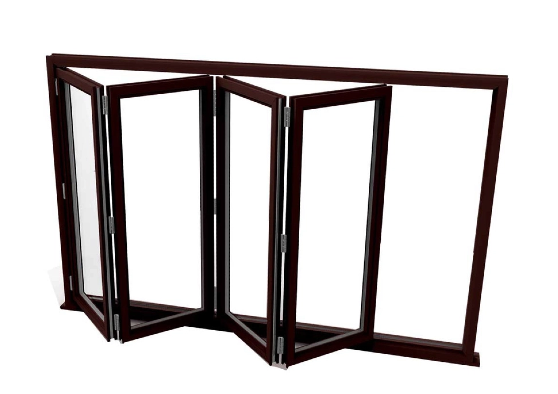
Bifold windows are a stylish, functional, and space-efficient option for both residential and commercial spaces. These windows consist of multiple panels that fold neatly to one side, allowing for expansive views, better ventilation, and an easy flow between indoor and outdoor spaces. A key feature of bifold windows is their modularity—the number of panels can vary depending on the size of the opening and the desired functionality. But how many panels can bifold windows be made, and what factors influence the decision? In this article, we will explore the flexibility of bifold windows, how many panels they can accommodate, and what considerations you need to take into account when choosing the right configuration for your space.
What Are Bifold Windows?
Before diving into the specifics of panel configurations, it’s important to understand what bifold windows are and why they have become such a popular choice.
A bifold window is a type of window that consists of multiple panels hinged together. These panels can be folded back in a concertina fashion, either towards the inside or outside of the building. When fully opened, bifold windows provide a wide opening, creating an unobstructed view and allowing fresh air to flow into the room. They are often used to connect living rooms with outdoor patios, kitchens with gardens, or dining rooms with balconies.
Bifold windows are known for their versatility, energy efficiency, and sleek, modern appearance. They offer a great combination of aesthetics and functionality, making them an excellent choice for homes and commercial spaces alike.
How Many Panels Can Bifold Windows Have?
Bifold windows are highly customizable when it comes to panel numbers. The number of panels in a bifold window can vary depending on factors such as the size of the window opening, the material used, and the desired effect.
Typically, bifold windows can have between 2 to 8 panels, but in some cases, custom-designed windows can have even more. The panels are hinged together, allowing them to fold in or out as a unit. When fully opened, the panels fold up neatly to one side, making the window opening almost as wide as the original frame.
Factors That Affect the Number of Panels
Several factors determine how many panels a bifold window can accommodate. These factors include the size of the opening, structural considerations, and aesthetic preferences. Let’s explore these considerations in more detail.
1. Size of the Opening
One of the most significant factors in determining the number of panels for your bifold window is the size of the window opening. Larger window openings require more panels to achieve the desired effect. For example:
Small openings (under 3 feet wide) may only need 2 panels. These smaller bifold windows are commonly used for kitchens, bathrooms, or small service areas.
Medium openings (3-6 feet wide) can typically accommodate 3 to 4 panels, which is a common choice for areas like dining rooms or living rooms that require a moderate amount of space.
Large openings (6 feet or more) often require 5 to 6 panels to create a larger, more dramatic opening. These are typically used in larger spaces such as lounges, open-plan areas, or even commercial properties where full views and maximum ventilation are desired.
Extra-large openings (over 10 feet wide) can feature 7 to 8 panels or more, depending on the design. This type of configuration is ideal for creating a seamless connection between indoor and outdoor spaces, such as a garden room or a large terrace area.
2. Structural Considerations
When deciding how many panels a bifold window can have, it’s essential to take into account the structural integrity of the frame and wall. The more panels you add, the more weight and stress are placed on the window frame, and the greater the need for reinforced materials.
The number of panels in a bifold window depends on:
The strength of the material: Materials such as aluminum and uPVC (unplasticized polyvinyl chloride) are lightweight and strong, making them ideal for larger bifold windows with multiple panels. Wood and fiberglass, while durable, may require stronger structural support when used for larger windows.
The type of opening mechanism: The number of panels can also depend on the type of track or mechanism used. Some bifold windows use top-hung systems, while others use bottom-hung or side-mounted tracks. The number of panels that can be used will depend on the strength of these mechanisms and the type of frame they are mounted in.
Weight considerations: The more panels there are, the heavier the window unit becomes. Large bifold windows with several panels require robust hinges, tracks, and locking mechanisms to ensure smooth operation. These heavy-duty components are needed to support the weight of the window and prevent premature wear and tear.
3. Aesthetic Preferences
Aesthetic choices play a crucial role in determining how many panels you need for your bifold window. The number of panels will influence the overall look of the window and the way it integrates with the rest of your interior design. Some factors to consider include:
Proportions: The visual balance between the window and the wall is important for maintaining aesthetic harmony. Larger openings typically require more panels to ensure that the window doesn't overpower the space.
Views: If the primary goal is to maximize the view and bring in as much natural light as possible, you may opt for fewer panels, which will result in larger glass panes. This is ideal if the window’s primary function is to frame a beautiful outdoor scene.
Space and Flow: For spaces where you want smooth traffic flow and minimal obstructions, more panels may be beneficial. These windows can open up entirely, creating an almost seamless connection between the indoor and outdoor environments.
4. Budget and Cost Considerations
The more panels you choose, the higher the cost of the window unit. As the number of panels increases, so does the cost of materials, labor, and installation. Additionally, more panels require additional hardware, such as hinges, tracks, and locks, all of which contribute to the overall price.
For instance, a standard 3-panel bifold window might be more affordable compared to a 7-panel system. However, while the cost may be higher for windows with more panels, the increased functionality, aesthetic appeal, and natural light they offer could justify the additional expense.
Common Configurations of Bifold Windows
Here are some of the most common bifold window panel configurations:
2-Panel Bifold Window: A standard two-panel bifold window works well for small openings, such as kitchen windows or bathrooms. These are perfect when you need a simple, straightforward design that doesn’t take up much space.
3-Panel Bifold Window: A more flexible option, the 3-panel bifold window offers a slightly wider opening while still being manageable. This configuration is often used in smaller living rooms, dining areas, or as a service window for restaurants and cafes.
4-Panel Bifold Window: A 4-panel bifold window is a popular choice for larger living spaces. The four panels allow for more flexibility in how the window operates while still providing a spacious opening for maximum light and air circulation.
6-Panel Bifold Window: A 6-panel window is ideal for creating a more dramatic look and is commonly used for larger spaces, such as open-plan living areas, sunrooms, or even as a divider between an indoor space and an outdoor patio.
8-Panel Bifold Window: For very large openings, an 8-panel window may be used. This configuration is designed to create a seamless flow between indoor and outdoor spaces, often used in high-end homes, commercial establishments, and large public spaces.
Conclusion
When it comes to bifold windows, there’s no one-size-fits-all solution. The number of panels you can incorporate into a bifold window depends on a variety of factors, including the size of the opening, structural integrity, aesthetic preferences, and budget. While the typical range for bifold windows is between 2 to 8 panels, you can always opt for custom solutions to suit your specific needs.
Whether you’re designing a cozy space with a 2-panel window or creating a wide, expansive view with a 6- or 8-panel configuration, bifold windows offer unmatched flexibility, style, and functionality. By carefully considering the factors mentioned above, you can choose the perfect panel configuration that enhances the look, feel, and performance of your home or commercial space.
If you're ready to explore bifold window options for your property, be sure to consult with professional window suppliers and installers. For high-quality, customizable bifold window solutions, Beijing NorthTech Group Ltd. is a trusted name in the industry, providing premium products and expert installation services for residential and commercial projects.


