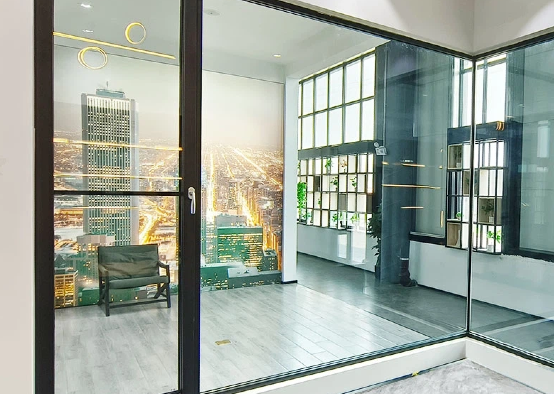
When building or renovating a home, one of the most important aspects of the construction process is selecting the right type of windows and window frames. Many homeowners, however, may not be aware of the critical role that window frames play in the overall structure and stability of a building. While windows may seem like simple openings designed for natural light and ventilation, the frames surrounding them can have a significant impact on the safety and integrity of a building. So, are window frames structural? The short answer is yes—window frames are integral to the structural integrity of your home, though they may not always bear the same load as other components like load-bearing walls or beams.
In this article, we will explore what it means for a window frame to be structural, the different types of window frames, their roles in supporting the building, and how they contribute to overall safety. We will also discuss the importance of proper installation and how to choose the right type of window frame for your specific needs.
1. What Does it Mean for a Window Frame to be Structural?
To understand whether window frames are structural, it’s essential to first understand what "structural" means in the context of building construction. Structural elements are components that contribute to the stability and load-bearing capacity of a building. These components typically support the weight of the building and help distribute it evenly across the foundation, preventing instability, sagging, or failure.
Window frames are not typically the primary load-bearing elements of a structure, but they do serve a structural purpose in the following ways:
Load Distribution: The window frame provides support to the window itself and helps distribute the weight of the surrounding materials around the window opening. For instance, the frame ensures that the weight of the walls, roof, or floor above the window is properly carried by the wall studs or other structural components.
Anchoring: Window frames act as anchoring points for the window installation. They secure the window glass and sash in place while also providing stability to the surrounding building materials. Properly installed window frames prevent drafts, leaks, and ensure the window remains fixed and functional over time.
Safety: Properly designed and installed window frames help ensure that windows do not fall out, remain weather-resistant, and can withstand external forces such as wind or impact.
In essence, while window frames themselves are not always intended to carry heavy loads in the way that beams or columns do, they still play a structural role in maintaining the overall stability and safety of the building.
2. Types of Window Frames and Their Structural Roles
There are several types of window frames, each of which serves a different structural and aesthetic purpose. The materials used for the window frame can also affect its strength, durability, and the level of support it provides. Below, we discuss the most common types of window frames and their roles:
a. Wood Window Frames
Wooden window frames are one of the most traditional options. They are typically made from solid hardwood, softwood, or laminated wood. The role of a wood window frame in terms of structural integrity can vary depending on the design and how the frame is installed.
Load-bearing: In older homes, or in homes with traditional wood-frame construction, the wood window frame may serve as part of the structural system, helping to bear the weight of the wall and support the window opening. Wood frames are known for their natural insulating properties, which help keep the interior of a home comfortable.
Installation Considerations: When installed correctly, wood frames are capable of providing strong support to windows and prevent warping or shifting over time. However, if not properly sealed or maintained, wood frames can suffer from rot or deterioration due to exposure to moisture, which can compromise their structural integrity.
b. Vinyl Window Frames
Vinyl window frames are made from PVC (polyvinyl chloride) and are known for being low-maintenance, durable, and energy-efficient. While they are not typically load-bearing in the traditional sense, vinyl frames are designed to provide adequate support for windows and prevent drafts.
Structural Support: Vinyl frames are reinforced with metal or fiberglass components to give them added strength and support. However, they still rely on the surrounding wall framing to bear the load of the structure. Vinyl windows are especially popular for modern construction because they provide excellent insulation and require minimal upkeep.
Durability: Vinyl frames are highly resistant to moisture, making them a good choice for homes in climates with high humidity or extreme weather. Because of their strong resistance to weathering, vinyl frames can maintain their structural integrity for many years.
c. Aluminum Window Frames
Aluminum is a lightweight and durable material commonly used in window frames, especially in commercial buildings or modern homes with large, expansive windows. Aluminum frames are often praised for their sleek appearance and strength but can have some limitations when it comes to insulation.
Structural Integrity: Aluminum frames are often reinforced with materials such as steel to enhance their load-bearing capability. While they do not offer the same insulation properties as wood or vinyl, aluminum frames are incredibly strong and able to support larger window units.
Energy Efficiency: Since aluminum conducts heat, it is not as energy-efficient as other materials like vinyl or wood. However, aluminum frames can be equipped with thermal breaks to improve insulation and reduce energy loss.
d. Fiberglass Window Frames
Fiberglass window frames are one of the most durable and energy-efficient options available. Made from composite materials, these frames are strong and lightweight, offering excellent resistance to weathering, expansion, and contraction.
Structural Performance: Fiberglass frames are highly resistant to the expansion and contraction that can occur with temperature changes. This makes them ideal for regions with extreme climates. The strength of fiberglass also allows these frames to bear significant weight, and they are commonly used in larger windows or when enhanced structural integrity is required.
Maintenance: Like vinyl, fiberglass frames require minimal maintenance compared to wood, and they do not warp, rot, or swell when exposed to moisture.
3. How Window Frames Contribute to the Building’s Structural Integrity
While window frames may not always be directly load-bearing, they still play a crucial role in the overall structural integrity of a building. Here’s how:
a. Support the Wall Opening
Window frames essentially help distribute the load around the window opening. In a wall, a window frame prevents sagging or failure of the wall structure. When installed correctly, window frames bear the weight of the materials surrounding the window and transfer it evenly to the rest of the structure. Without a strong and well-installed frame, the structural integrity of the wall can be compromised, which may lead to instability or leakage.
b. Impact Resistance
While the primary job of a window frame is to hold the window in place, it also adds an additional layer of protection. A well-constructed window frame can withstand external forces like wind, weather, or accidental impacts (e.g., from debris). This is particularly important in areas prone to hurricanes, strong winds, or even in areas with high traffic where the risk of damage is elevated.
c. Rigid Alignment for Window Sashes
Window frames are responsible for keeping the window sash (the movable part of the window) properly aligned. For casement windows, sliding windows, or double-hung windows, the frame ensures that the window sash moves smoothly while providing structural support. A distorted or misaligned window frame can make it difficult to operate the window properly, or worse, cause it to become inoperable.
4. The Importance of Proper Window Frame Installation
The installation of window frames is a critical aspect of the overall performance of windows. Even the best materials can fail to deliver their structural benefits if they are not installed correctly. Below are a few reasons why proper installation is key:
Seal Integrity: Properly installed frames help create a tight seal that prevents air and moisture infiltration, which is essential for energy efficiency and the longevity of the window. Poor installation can result in drafts, leaks, and damage to the frame itself.
Structural Support: The frame must be properly anchored into the building's structural framing to ensure that it provides the necessary support. Incorrect installation may cause the window to shift, misalign, or fail over time.
Safety: A well-installed frame ensures that the window will stay securely in place and can withstand external pressures such as high winds, impacts, and weather changes.
5. Conclusion
Window frames may not always be the primary load-bearing component of a building, but they are certainly structural elements that help support the overall integrity of a structure. Whether made from wood, vinyl, aluminum, or fiberglass, the frame serves as a critical support system that keeps the window in place, contributes to the building's safety, and ensures proper functioning over the years.
When choosing the right type of window frame for your project, consider the material, climate, and your specific needs. Proper installation is key to ensuring that your window frames provide the necessary structural support, enhance energy efficiency, and offer long-lasting durability.
In the end, while window frames may not be the first thing that comes to mind when you think about structural elements, they are essential to the stability, safety, and comfort of your home or building.


