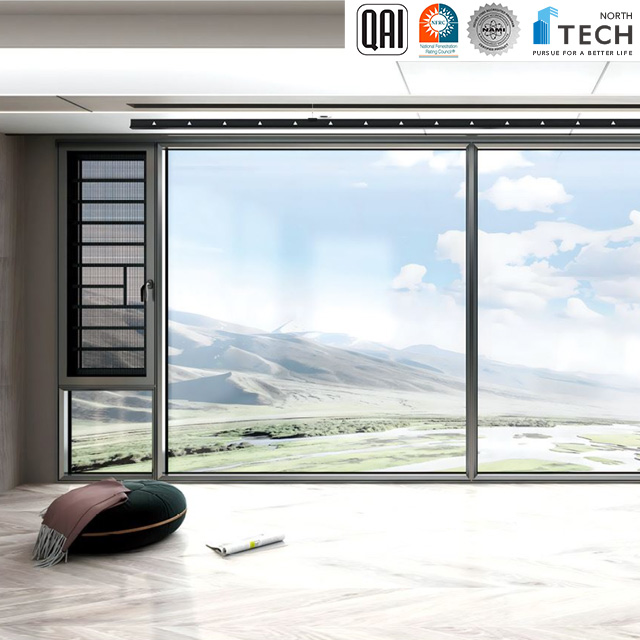
Canadian architectural design is experiencing a measurable shift. Modern residential and commercial builds increasingly favor European-style fenestration. Builders rely heavily on structural aluminum frames to achieve sleek aesthetics and strict passive-house compliance.
While the Tilt And Turn Window design offers mechanical superiority, the upfront premium of thermally broken aluminum demands careful consideration. Buyers constantly face a critical evaluation question: Does the 20-year ROI and climate performance justify the initial capital expenditure for your specific property?
We present an evidence-based, skeptical-friendly breakdown of performance data, actual costs, and implementation risks. You will discover exactly how these systems perform in extreme cold. This guide equips you to make a definitive supplier and system choice.
Key Takeaways
Market Trajectory: Aluminum tilt and turn windows in Canada are rapidly gaining market share in custom builds and retrofits due to high structural limits (accommodating massive triple-pane glass) and severe-weather airtightness.
Performance Metrics: Premium systems deliver U-factors as low as 0.17–0.20 and air leakage rates of 0.01 cfm/ft², drastically outperforming standard North American casements.
The "Ugly Truths": Inward-swinging sashes require specific interior spatial planning (blinds/curtains), and portable AC units require custom venting adaptations.
Subsidies & Compliance: Importing raw European windows carries risks; buyers must ensure systems hold Canadian Energy Star (V5.0) and NAFS certifications to qualify for rebates and pass local building codes.
1. Why the Tilt and Turn Window System Fits the Canadian Climate
Canadian weather shifts rapidly from humid summers to freezing winters. You need fenestration systems capable of handling extreme temperature swings. European dual-action mechanisms solve many structural and ventilation challenges unique to this environment.
The Dual-Action Mechanism
You operate these windows using a single handle. The handle position determines the opening mode. This simple operation unlocks two distinct functionalities tailored for challenging weather.
Tilt Position: Turning the handle 90 degrees tilts the window inward at the top. This creates a 10 to 15-degree angle. It provides secure, draft-free micro-ventilation. The angled opening naturally deflects rain and snow. It serves perfectly during unpredictable Canadian shoulder seasons. You get fresh air without compromising indoor comfort.
Turn Position: Turning the handle 180 degrees swings the sash fully inward. This 180-degree inward swing provides maximum airflow. It acts as a rapid egress point for fire safety. Furthermore, you can clean the exterior glass safely from the interior. This eliminates high-rise or second-story maintenance costs entirely.
Aluminum vs. uPVC in Extreme Weather
Modern homes frequently feature sweeping "wall-of-glass" designs. These large spans demand immense structural integrity. Heavy acoustic-rated triple glazing puts massive strain on window frames. Standard uPVC (vinyl) frames often sag under this weight.
When evaluating aluminum tilt and turn windows Canada, their structural necessity becomes clear. Aluminum easily supports massive triple-pane packages. It refuses to warp under intense structural loads. However, raw aluminum conducts heat rapidly.
Crucial Caveat: In Canada, pure aluminum frames fail in winter. They must feature advanced polyamide thermal breaks. These internal structural plastics separate the cold exterior metal from the warm interior metal. Without polyamide breaks, you will face condensation and freezing on interior frames during -30°C winters. Always verify thermal break specifications before purchasing.
2. Data-Backed Performance: European Systems vs. Standard North American Windows
Marketing claims often obscure true window performance. We must evaluate hard data. European-engineered systems demonstrate measurable superiority across efficiency, acoustics, and security.
Thermal Efficiency & Airtightness
Traditional North American casements often leak air. They typically register air leakage rates around 0.30 cfm/ft². European tilt and turn frames utilize continuous compression seals. These multi-chamber seals wrap the entire perimeter. They actively compress against the frame when locked. This drops air leakage rates down to 0.01 cfm/ft².
Canada recently updated its energy standards. The Energy Star 5.0 benchmarks set strict rules. Windows need an Energy Rating (ER) ≥ 34 or a U-factor ≤ 1.22 W/m²·K to qualify. Triple-pane aluminum frames easily exceed the "Most Efficient" designations. When properly specified, they achieve U-factors as low as 0.17 to 0.20.
Acoustic Insulation
Urban environments like Toronto and Vancouver generate intense noise pollution. Street traffic and construction easily penetrate standard glass. Premium European systems combat this through physical mass and tight seals. Manufacturers combine thick asymmetric glass panes. Different glass thicknesses disrupt different sound frequencies.
Coupled with continuous multi-chamber seals, the acoustic drop is dramatic. They can reduce 70dB of exterior noise down to 28–32dB. This transforms a loud downtown condo into a silent sanctuary.
Security & Hardware Integrity
Standard sliders and casements rely on single-point locks. Intruders pry these open easily. The "single-point lock" vulnerability is well-documented in home security circles. European standards dictate a completely different approach.
They utilize multi-point locking perimeters. Steel "mushroom cams" lock into strike plates along all four sides. This mushroom-head continuous espagnolette anchors the sash into the frame. Intruders cannot pry the window apart. These systems routinely achieve rigorous RC2 to RC3 European anti-burglary standards. Your home gains vault-like perimeter security.
Performance Comparison Chart
Metric |
Standard North American Casement |
Premium Aluminum Tilt & Turn |
Air Leakage Rate |
~ 0.30 cfm/ft² |
~ 0.01 cfm/ft² |
Typical U-Factor |
0.28 – 0.35 |
0.17 – 0.20 |
Noise Reduction |
Minimal (Standard STC ratings) |
70dB down to 28–32dB |
Locking Mechanism |
Single or double-point latch |
Continuous multi-point mushroom cams |
3. The Financial Reality: 2025 Cost Analysis and ROI
High performance requires high initial capital. Buyers must set transparent baseline expectations. Do not expect builder-grade vinyl pricing.
Initial Capital Outlay
Thermally broken aluminum tilt and turn windows command a 40–60% premium over builder-grade vinyl. The exact cost fluctuates based on dimensions, frame finishes, and glass specifications. Custom colors and specialized Low-E coatings add to the base price.
Small Utility Windows (e.g., 24x36): Expect to pay between $800 and $1,200 per unit. These fit perfectly in bathrooms or basement retrofits.
Medium Room Windows (e.g., 36x48): Prices range from $1,000 to $1,500. These sizes dominate bedrooms and kitchens.
Large Architectural Spans (e.g., 48x60): Costs reach $1,400 to $2,000+. These units handle heavy Argon or Krypton gas fills inside triple-pane packages.
Lifecycle Cost & ROI (20-Year Horizon)
You must evaluate window purchases over a 20-year horizon. Cheaper windows degrade quickly in harsh Canadian climates. Cranks strip out. Vinyl warps. Seals crack. European hardware operates on a different durability scale.
Standard North American cranks typically survive 20,000 operational cycles. Premium European hardware easily hits 50,000 cycles. Furthermore, aluminum frame lifespans dwarf PVC. Aluminum offers 40–60 years of structural viability. Standard PVC degrades significantly after 15–25 years of UV exposure and deep freezes.
The real financial offset happens at your thermostat. The extreme airtightness slashes HVAC loads. Detached homes often see up to 30-50% in heating and cooling cost savings. Over two decades, these energy savings largely offset the initial capital outlay.
4. The "Ugly Truths": Implementation Risks and Drawbacks
Sales brochures rarely highlight daily usage frustrations. This design brings specific spatial and mechanical compromises. You must adapt your interior lifestyle to accommodate these frames.
Interior Spatial Interference
The "Turn" position swings inward like a door. This mechanism dictates strict interior design rules. Windowsills must remain entirely clear of plants or decor. Standard North American blinds or drapery often impede operation. The sash will crash into traditional horizontal blinds.
Buyers must budget for specialized window treatments. You will need low-profile track blinds fitted directly to the sash. Alternatively, consider integrated between-the-glass shades. These solutions cost extra but ensure seamless daily operation.
HVAC / Portable AC Incompatibility
Canadian summers get unexpectedly hot. Many older homes lack central air conditioning. Tenants and homeowners frequently rely on portable AC units. However, tilt and turn frames do not naturally accommodate standard exhaust hoses. Standard AC kits rely on vertical sliding sashes.
This incompatibility sparks frequent complaints on local community boards. You cannot simply slam a sash down on a plastic hose vent. It requires custom plexiglass inserts built to fit the exact frame opening. Some users buy specialized soft-sealing zip kits. Both options require extra effort and aesthetic compromise.
The Certification Trap (Subsidies & Rebates)
Many buyers try to bypass local markups. They direct-import raw European windows via overseas shipping containers. This strategy carries massive financial risks.
Canadian municipalities enforce strict building codes. Imported systems often lack the NAFS (North American Fenestration Standard) labels. They might also miss localized Energy Star V5.0 stickers. Without these labels, building inspectors will fail your renovation. Furthermore, you will face automatic rejection for government energy rebates, such as the Greener Homes Grants. Always verify local certifications before importing.
5. Shortlisting Suppliers: A Procurement Checklist for Canada
Choosing the right window matters. Choosing the right supplier matters equally. You must vet installation partners rigorously. Use this specific procurement checklist to avoid costly mistakes.
Hardware Transparency
Do not accept vague "European-style" descriptions. Insist on verified, European-manufactured operational hardware. Look for established brands like Siegenia, Roto, or Maco. These global manufacturers test their steel components relentlessly. Avoid unbranded or reverse-engineered gears. Cheap hardware fails quickly under the weight of triple glazing.
Glass Packages Tailored to Orientation
One glass type does not fit an entire house. A premium supplier will customize Solar Heat Gain Coefficients (SHGC) based on building exposure.
South-Facing Windows: Request a high SHGC. This allows passive solar energy to heat your home during winter.
West-Facing Windows: Request a low SHGC. This blocks harsh afternoon sun, drastically reducing your summer cooling loads.
Installation Competency
The heaviest triple-pane aluminum windows weigh hundreds of pounds. They require robust, specialized anchoring into the rough opening. They also demand precise weather-membrane sealing to prevent moisture intrusion.
A superior window fails instantly with a subpar, non-specialized installation. Ask your supplier about their sealing protocols. Do they use expanding foam exclusively, or do they employ multi-layered vapor barrier tapes? Choose installers who understand passive-house sealing techniques.
Conclusion
Aluminum tilt and turn windows are objectively superior for high-performance contemporary Canadian homes. They offer unmatched durability, extreme airtightness, and excellent acoustic insulation. The dual-action mechanism provides brilliant ventilation control year-round.
However, success requires proactive planning. You must be prepared for the 40–60% upfront premium. You must also plan your interior finishes to accommodate the inward swing. Verify local certifications to protect your investment and access rebates.
Your next step involves practical measurement. Move past rough online estimates immediately. Request a comprehensive technical site measure from a certified local installer. Demand a localized U-Factor modeling report tailored to your home's unique orientation. This data will validate your investment and guarantee long-term climate resilience.
FAQ
Q: Are tilt and turn windows safe for children in high-rise condos?
A: Yes. You can install key-lockable handles that restrict operation. The lock allows the window to tilt inward for top ventilation while completely disabling the full inward turn. This provides continuous fresh air without creating an egress hazard for children.
Q: Do aluminum frames sweat in the Canadian winter?
A: Pure aluminum will sweat and freeze. However, premium systems use advanced polyamide thermal breaks. These internal plastic barriers separate the cold exterior metal from the warm interior metal. This completely stops thermal bridging and prevents winter condensation.
Q: Can screens be installed on tilt and turn windows?
A: Yes. Because the window sash operates exclusively inward, bug screens mount securely on the exterior frame. They remain fixed outside. This allows you to tilt or turn the window fully without inviting insects inside.
Q: How easy is it to find replacement parts in Canada?
A: It is straightforward if you buy correctly. Avoid generic knock-offs. Choose local suppliers partnered with major global hardware brands like Roto, Maco, or Siegenia. These brands maintain robust North American distribution networks, ensuring fast access to replacement gears and handles.


