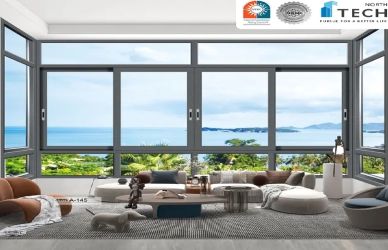
Aluminum sliding windows and PVC sliding windows are both popular choices in modern construction, each with distinct advantages. Aluminum windows are made from strong, lightweight frames that offer durability, sleek design, and excellent weather resistance. In contrast, PVC windows are cost-effective, provide good thermal insulation, but may not match aluminum in terms of durability or weather resistance.
Choosing the right window material is crucial for building projects, as it impacts both the building’s functionality and long-term value. Windows affect aesthetics, energy efficiency, and protection from the elements. Aluminum sliding windows are particularly favored by manufacturers for their strength, large window capacity, and design flexibility. They provide excellent insulation and are highly resistant to corrosion, making them suitable for various climates. For these reasons, aluminum sliding windows are often recommended for residential and commercial projects, offering long-lasting performance and minimal maintenance.
Material Characteristics Comparison: Aluminum vs. PVC
1.Aluminum Sliding Windows:
Strength and Durability: Aluminum is known for its high strength and resistance to harsh weather conditions, making it suitable for all climates. It is durable and can withstand extreme temperatures, heavy winds, and other environmental factors without compromising performance.
Design Flexibility: Aluminum frames provide more design options, allowing for larger window sizes and a sleek, modern aesthetic. They can easily complement both contemporary and traditional architectural styles.
Recyclability: Aluminum is an environmentally friendly material that is fully recyclable. This makes it a sustainable choice for eco-conscious consumers, as it reduces waste and energy consumption during production.
2.PVC Sliding Windows:
Cost-Effectiveness: PVC windows are more affordable than aluminum, making them a cost-effective choice for budget-conscious projects. Their lower initial cost can be an attractive option for residential or smaller-scale construction projects.
Insulation Properties: PVC windows offer excellent thermal insulation, helping to maintain indoor temperatures and reduce energy costs. However, they may not perform as well as aluminum in extreme weather conditions or with larger window sizes.
Aesthetic Limitations: PVC windows typically offer fewer design options compared to aluminum, with a more uniform look and limited color choices. This can make them less adaptable to specific design preferences, particularly in high-end or custom projects.
Performance Comparison: Aluminum vs. PVC Sliding Windows
1.Energy Efficiency:
Aluminum Sliding Windows: Aluminum windows equipped with thermal break technology and energy-efficient glazing systems provide superior insulation. These features help reduce heat transfer, improving energy performance and reducing heating and cooling costs.
PVC Sliding Windows: PVC windows offer good insulation properties, effectively preventing heat loss and keeping interiors comfortable. However, over time, their efficiency may decline due to material degradation, especially in areas with extreme temperature fluctuations.
2.Weather Resistance & Corrosion:
Aluminum Sliding Windows: Aluminum is highly resistant to corrosion, making it ideal for humid, coastal, or harsh environments. It withstands exposure to moisture, rain, and salt air without significant wear or deterioration.
PVC Sliding Windows: While PVC windows are resistant to some weather conditions, they may face issues such as aging, warping, or discoloration after prolonged exposure to harsh weather, UV radiation, or extreme temperature changes. This makes them less suitable for coastal or extreme climate areas.
3.Maintenance:
Aluminum Sliding Windows: Aluminum windows are durable, requiring minimal maintenance. Cleaning the frames and glass periodically is generally all that’s needed to keep them looking good and functioning properly.
PVC Sliding Windows: PVC windows require more frequent checks and maintenance to prevent issues like fading, warping, or discoloration caused by UV exposure. Over time, the seals may also degrade, requiring repairs or replacements.
Aesthetic and Design: Aluminum vs. PVC Sliding Windows
1.Design Flexibility of Aluminum Windows:
Large Sizes & Broader Views: Aluminum windows are highly versatile in terms of size and design. They can accommodate large window panes, allowing for expansive views and creating a sense of openness. Their ability to handle large openings makes them ideal for modern architectural designs that emphasize natural light and scenic views.
Slim-Frame Designs: Aluminum frames are known for their sleek, slim profiles, which enhance the overall aesthetic of the window. This modern, minimalist design approach allows for more glass and less frame, making aluminum windows ideal for contemporary architectural styles.
Variety of Color Options & Finishes: Aluminum windows come in a wide range of colors and finishes, including anodized, powder-coated, and custom colors. This flexibility allows aluminum windows to match various architectural themes, from modern to traditional, making them perfect for high-end residential and commercial projects.
2.Limitations of PVC Windows:
Size Limitations: PVC windows are often limited in terms of size, making them less suitable for large openings. While they offer good performance in smaller windows, they may not provide the same expansive, open-feel that aluminum windows can achieve.
Fewer Customization Choices: PVC windows typically offer fewer design and color options. The uniformity in design and color can make it challenging to match the specific aesthetic preferences of high-end or custom architectural projects, limiting their adaptability compared to aluminum.

Cost Comparison and Return on Investment: Aluminum vs. PVC Sliding Windows
Initial Cost vs. Long-Term Investment:
PVC Sliding Windows: PVC windows are more affordable upfront, making them an attractive option for projects with a limited budget. Their lower initial cost is appealing, especially for residential or smaller-scale construction. However, their lower durability and higher susceptibility to damage, aging, and fading mean that over time, they may require more frequent repairs or replacements. Additionally, their energy efficiency may decrease over time, leading to higher energy costs in the long run.
Aluminum Sliding Windows: Aluminum windows come with a higher initial cost due to the price of the material and the advanced technology used in manufacturing. However, they are highly durable, resistant to corrosion, and require minimal maintenance. Their excellent energy efficiency and long lifespan make them a more cost-effective choice in the long term. The reduced need for repairs, replacements, and lower energy costs contribute to a higher return on investment (ROI), making aluminum windows a better value for homeowners and commercial builders seeking a durable and low-maintenance solution.
Why Manufacturers Recommend Aluminum Sliding Windows
1.Brand Reputation & Customer Demand:
Manufacturers recommend aluminum sliding windows for their superior performance and durability, meeting the high standards of modern construction. Known for their strength, energy efficiency, and sleek design, aluminum windows are a reliable choice for both residential and commercial projects, boosting manufacturers' brand reputation.
2.Market Demand & Future Trends:
With increasing demand for sustainable and energy-efficient building materials, aluminum windows are becoming the preferred choice for high-end residential and commercial buildings. Their recyclability and energy-saving features align with the industry's shift toward eco-friendly solutions, making them a popular option for long-term value and sustainability.
3.Production and Installation Advantages:
Aluminum windows are easier to manufacture and scale for large projects due to the material's strength and lightweight nature. This streamlines both production and installation, making them a cost-effective and efficient option for contractors, especially in high-volume or complex projects.
FAQ (Frequently Asked Questions)
1.What are the key advantages of aluminum sliding windows?
Aluminum sliding windows are known for their strength, durability, and energy efficiency. They offer flexible design options, allowing for large window sizes and sleek, modern aesthetics. Additionally, aluminum windows have excellent weather resistance, making them suitable for various climates, including harsh conditions. They are also environmentally friendly as aluminum is fully recyclable, which makes these windows a sustainable choice for eco-conscious consumers. Overall, aluminum sliding windows provide a long-lasting, low-maintenance solution with superior performance.
2.What is the lifespan of PVC sliding windows?
PVC sliding windows generally last between 10 to 20 years, depending on factors like climate and maintenance. While they provide good insulation and perform well initially, prolonged exposure to extreme sunlight, high UV levels, or harsh weather conditions can cause PVC windows to age, warp, or discolor. Over time, this may lead to a reduction in their efficiency and an increased need for repairs or replacements, potentially affecting their overall lifespan.
3.Are aluminum sliding windows suitable for all climate conditions?
Yes, aluminum sliding windows are highly suitable for all climate conditions. Their strong, weather-resistant frames can withstand extreme temperatures, humidity, and coastal environments. Aluminum windows resist corrosion, making them ideal for regions with high moisture levels or salt air, such as coastal areas. They maintain their structural integrity and functionality even in severe weather conditions, making them a reliable option for both residential and commercial buildings in diverse climates.
4.Is it worth investing in aluminum sliding windows?
Although aluminum sliding windows come with a higher initial cost compared to other materials like PVC, they provide better long-term value. Their superior durability, energy efficiency, and low maintenance requirements make them a more economical choice over time. Aluminum windows can last for decades with minimal upkeep, helping to save on repair and replacement costs. Their energy-efficient properties also contribute to lower heating and cooling bills, offering a strong return on investment in the long run. Therefore, aluminum sliding windows are a wise investment for those looking for high performance and sustainability.
Conclusion
In comparing aluminum sliding windows with PVC windows, both materials have their merits, but aluminum windows clearly stand out in key areas. Aluminum sliding windows excel in performance, offering superior strength, durability, and excellent weather resistance, making them suitable for a wide range of climates. Their design flexibility allows for larger sizes and sleek, modern aesthetics, while their energy efficiency helps reduce long-term costs. Additionally, aluminum windows are highly durable and require minimal maintenance, making them a more cost-effective choice over time, despite their higher initial cost. On the other hand, PVC windows are more affordable upfront but may not perform as well in extreme weather conditions and can have a shorter lifespan due to aging, warping, and discoloration.
Overall, aluminum sliding windows offer a better long-term investment due to their durability, energy efficiency, and minimal maintenance needs. When choosing window materials, consumers should consider factors such as climate, budget, and long-term value. For those seeking a sustainable, high-performance, and low-maintenance solution, aluminum sliding windows are the ideal choice.


