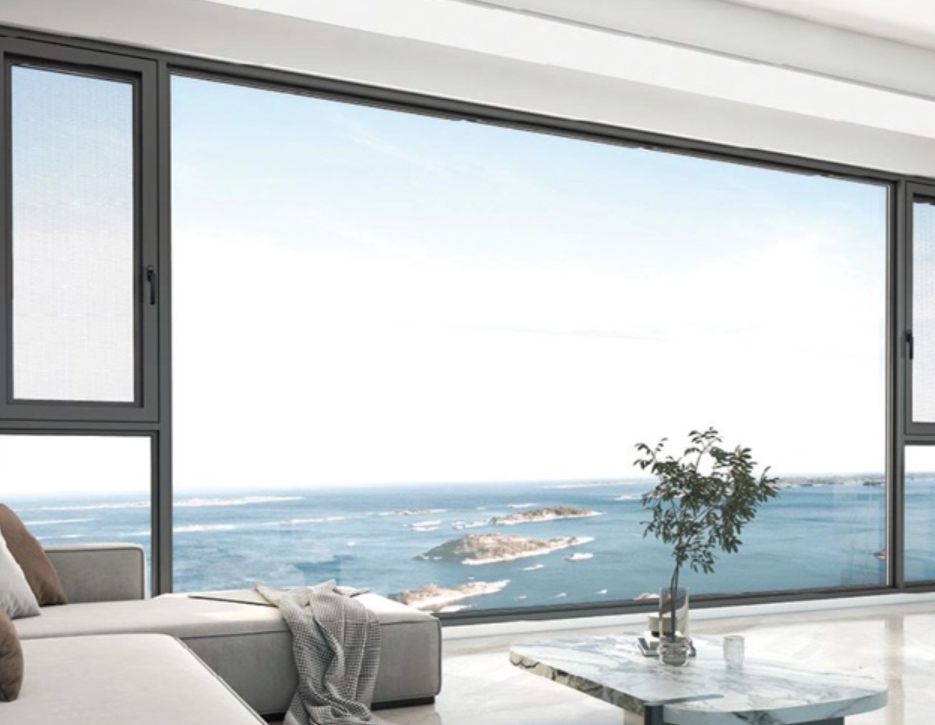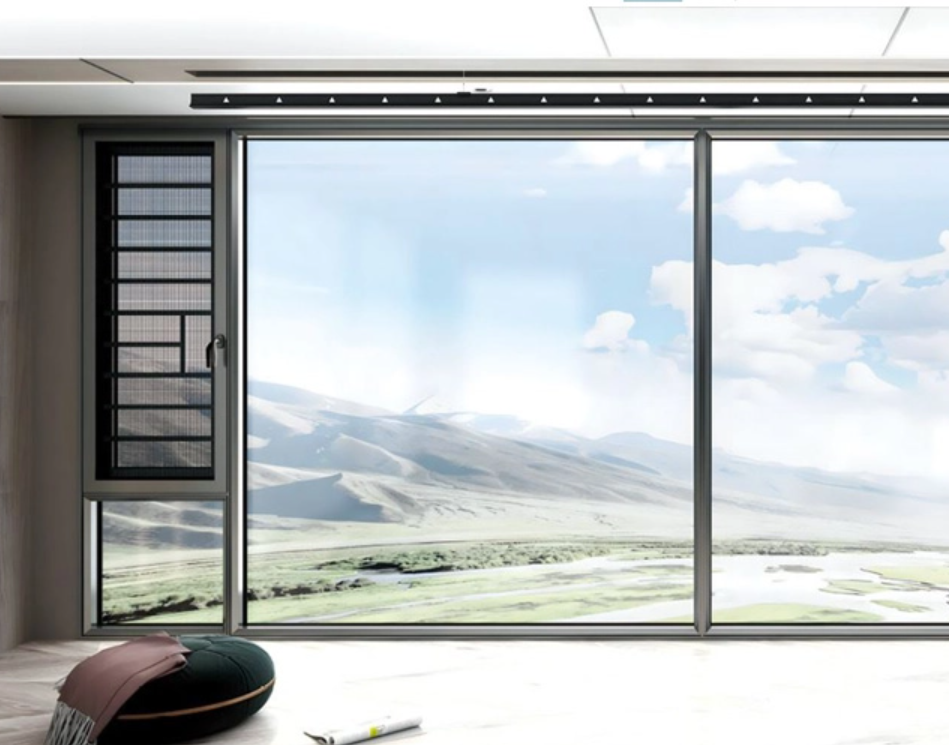
As modern buildings increasingly emphasize energy efficiency, durability, and aesthetic appeal, thermal break aluminum awning windows have become a preferred choice for architects, contractors, and homeowners. These windows combine innovative thermal insulation technology with the simple, practical awning opening mechanism to provide excellent ventilation even during rainy weather. However, one frequently asked question is: What is the biggest size thermal break aluminum awning windows can be made?
1. What Is an Awning Window?
Awning windows are hinged at the top and open outward from the bottom, forming a small “awning” shape that shields the interior from rain while allowing airflow. They are commonly used in bathrooms, kitchens, basements, and modern living rooms to create natural ventilation without compromising weather protection.
Advantages of Awning Windows
Allows ventilation even during light rain
Tight sealing when closed, improving insulation
Suitable for both small and medium-sized openings
Easy to operate with a crank or handle
2. What Is Thermal Break Aluminum?
Thermal break aluminum, also known as thermally insulated aluminum, incorporates a non-metallic insulating barrier—commonly made of polyamide—between the inner and outer layers of aluminum. This barrier significantly reduces the transfer of heat and cold through the metal frame, providing better insulation performance compared to traditional aluminum windows.
Benefits of Thermal Break Technology
Feature | Benefit |
Insulation | Reduced heat conduction, lowering energy costs |
Comfort | Improved indoor temperature stability throughout the year |
Soundproofing | Effectively blocks external noise, enhancing indoor comfort |
Condensation Prevention | Minimizes water vapor buildup on cold surfaces during winter |
By minimizing thermal bridging, thermal break aluminum allows buildings to meet strict energy codes and contributes to sustainable design practices. This makes it ideal for both residential and commercial projects where energy efficiency and comfort are priorities.
3. How Big Can Thermal Break Aluminum Awning Windows Be?
General Size Range
Standard thermal break aluminum awning windows typically range in size as follows:
These dimensions accommodate most residential and commercial applications while maintaining reliable operation and structural stability.
Maximum Size Limit
For projects requiring larger windows, advanced materials, reinforced frames, and high-quality hardware allow manufacturers to produce:
However, windows approaching these maximum dimensions must meet strict structural, safety, and performance standards to prevent operational or safety issues.

4. Factors Determining the Maximum Size of Thermal Break Aluminum Awning Windows
The maximum size of thermal break aluminum awning windows is not arbitrary—it depends on several interconnected factors that influence both structural stability and functional performance. Understanding these factors is crucial for architects, builders, and homeowners who plan to install large windows without compromising safety or efficiency.
Frame Strength and Material Quality
The aluminum frame serves as the backbone of an awning window. For larger windows, the frame must be engineered to support heavier glass panels without bending or deforming. Frames made from low-quality aluminum or insufficient thickness are prone to warping under their own weight or external forces, such as wind pressure.
High-strength alloys and reinforced profiles enhance the frame's rigidity, ensuring that oversized windows maintain their shape over time. Reinforcements can include internal steel cores or additional crossbars within the aluminum profile, which distribute loads evenly and prevent sagging. Choosing a frame with proper thermal break design also helps maintain insulation while providing the required structural strength.
Glass Thickness and Type
The type and thickness of glass play a pivotal role in determining maximum window size. Standard thermal break awning windows typically use double glazing, often denoted as 5+12+5 mm, which provides a balance between insulation, weight, and cost.
For larger or taller windows, triple glazing or laminated glass is recommended. Triple glazing consists of three layers of glass separated by insulating spacers, providing superior thermal and acoustic performance while resisting wind pressure and potential impact. Laminated glass, composed of two or more glass sheets bonded with an interlayer, adds durability and safety, preventing shattering in case of breakage.
Oversized windows often require thicker or specially coated glass to maintain structural integrity, reduce flexing, and improve energy efficiency. Architects must calculate the appropriate glass thickness based on window height, width, and local environmental conditions.
Hardware and Hinges
Awning windows operate via hinges and friction stays that allow the window to swing outward while maintaining secure positioning. For larger windows, the hardware must be capable of supporting significantly more weight. High-quality stainless steel hinges and friction stays can handle loads of 60–80 kg or more, ensuring smooth operation without compromising safety.
Using low-quality or undersized hardware is a common mistake that limits the window's maximum size. Inferior components may fail under stress, causing operational issues, premature wear, or even safety hazards. Therefore, selecting reliable, certified hardware is essential when designing large awning windows.
Wind Load and Building Height
Environmental factors, particularly wind load and building height, impose limitations on window size. Coastal regions, high-altitude locations, and high-rise buildings experience stronger wind pressures, which can deform frames or break glass if not adequately designed.
Local building codes often regulate window dimensions in tall structures, requiring engineers to factor in wind resistance when specifying frame profiles and glass types. Oversized windows in high-wind areas may need additional reinforcements or specialized glazing to comply with safety regulations.
Opening Method
The method used to open the awning window also influences maximum size. Manual cranks or push-out mechanisms are effective for small to medium-sized windows but become impractical for very large units due to the force required.
For oversized windows, electric actuators or motorized systems are recommended. These systems allow smooth operation with minimal physical effort and can be integrated with smart home automation for convenient remote control. Automated systems also help maintain consistent performance and reduce strain on hinges and friction stays.
5. Benefits of Large Awning Windows
Large awning windows provide both practical and aesthetic advantages that go beyond basic ventilation and lighting:
Advantage | Description |
Natural Light | Larger glass areas allow abundant sunlight into interiors, creating bright and welcoming spaces. |
Fresh Air | Oversized windows improve airflow, promoting better indoor air quality and comfort. |
Elegant Design | Large windows enhance modern, minimalist, or contemporary architectural aesthetics, contributing to a sleek exterior appearance. |
Weather Protection | The outward-swinging design keeps rain out while allowing ventilation, making them ideal for variable weather conditions. |
Energy Efficiency | Thermal break frames combined with high-performance glazing reduce heat loss, contributing to lower energy bills and improved indoor climate control. |
Besides functional benefits, oversized awning windows create a sense of openness, making rooms feel more spacious and connected to the outdoors. They are particularly effective in living areas, offices, and spaces with scenic views.
6. Safety and Practical Considerations
While the advantages are clear, installing large awning windows requires attention to safety and practical usability:
Structural Safety
Oversized windows must comply with both local and international safety standards. Depending on their dimensions, steel reinforcement may be required within the aluminum frame to prevent warping or failure under load. Ensuring structural integrity is particularly critical for high-rise buildings or areas prone to extreme weather.
Daily Use and Maintenance
Large windows are heavier and may be harder to operate manually. Regular maintenance of hinges, friction stays, and seals is essential to ensure smooth operation and prevent wear. Lubrication, inspection for corrosion, and checking for alignment issues help prolong the lifespan of the window while maintaining optimal performance.
Installation Requirements
Professional installation is highly recommended for oversized awning windows. Proper alignment, airtight sealing, and secure hardware mounting are essential to prevent water infiltration, air leaks, and operational problems. Poor installation not only reduces energy efficiency but also risks structural failure or damage to the window components over time.
7. Common Applications of Large Awning Windows
Location | Benefits |
Living Rooms | Natural light and expansive views |
Kitchens | Ventilation while preventing rain entry |
Bathrooms | Moisture control and airflow |
High-Rise Apartments | Enhances building appearance and indoor air circulation |
Commercial Buildings | Ideal for offices, hotels, and schools |
By understanding these applications, architects can strategically place large awning windows for maximum effect, combining beauty with functionality.
8. Can Awning Windows Be Custom-Made?
Yes, thermal break aluminum awning windows are highly customizable:
Frame Thickness: 1.4 mm, 1.6 mm, or higher for larger spans
Glass Type: Tempered, low-E, laminated, or triple glazing for strength and insulation
Aluminum Finish: Available in white, black, gray, wood grain, or custom colors
Opening Style: Manual, electrical, or remote-controlled for convenience
For oversized windows, dual hinges or multiple locking points are recommended to ensure proper balance, durability, and safe operation.
Conclusion
Thermal break aluminum awning windows are an ideal combination of durability, energy efficiency, and modern aesthetics. While typical sizes range from 400 mm to 1200 mm, the largest safe size can reach up to 1800 mm in width and 2000 mm in height, depending on material strength, glass type, hardware quality, and wind load requirements.
If you are planning to install oversized awning windows, consulting a professional manufacturer is essential. For high-performance and customizable solutions, you may explore options from Beijing NorthTech Group Ltd., a company experienced in producing thermal break aluminum window systems that meet global standards. They can provide guidance, design assistance, and tailored solutions without compromising safety or style.