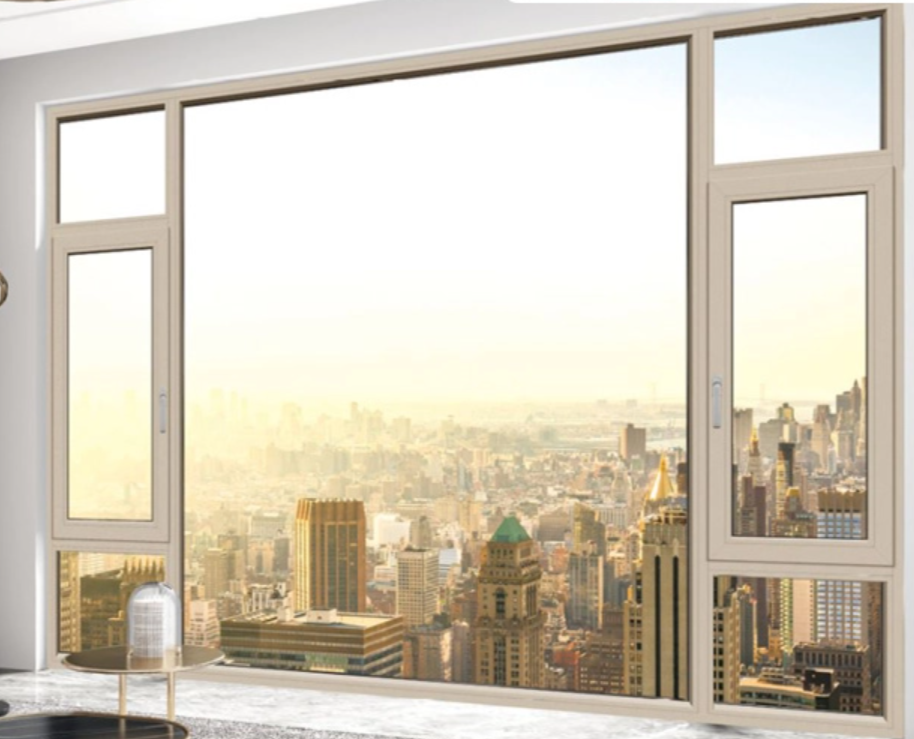
When planning a home renovation or designing a new building, choosing the right type of window is crucial for comfort, energy efficiency, and aesthetic appeal. Among the many styles available, awning windows have become increasingly popular due to their unique structure and practical functionality. But what exactly is an awning window, and why are homeowners, architects, and builders choosing it more often? This article explores the design, features, advantages, materials, installation considerations, and real-life applications of awning windows in detail.
What Is an Awning Window?
An awning window is a type of window that is hinged at the top and opens outward from the bottom, forming an angle similar to an awning or canopy. This design allows air to flow into the room while protecting the interior from rain, which is where the name “awning window” originates.
Unlike sliding or double-hung windows that move vertically or horizontally, awning windows rely on a crank or push-out mechanism to open. They can be installed individually or combined with fixed picture windows to create both ventilation and unobstructed views.
How Do Awning Windows Work?
Awning windows operate with a simple yet highly effective design that combines functionality, durability, and ease of use. Their unique mechanics make them an excellent choice for both residential and commercial properties, offering reliable performance even in challenging weather conditions.
Core Components of an Awning Window:
Top Hinge:
The top hinge is the fixed pivot point where the sash (the frame holding the glass) attaches to the window frame. This hinge allows the sash to swing outward at an angle when the window is opened, creating an awning-like effect. The top hinge’s placement ensures that the window remains secure when opened, even in windy conditions.
Bottom Crank or Push Handle:
Awning windows typically use either a crank or a push handle to open and close. The crank is turned to gently push the sash outward, while a push handle requires manual effort to open the window. Modern designs often incorporate friction hinges or chain winders to ensure smooth, controlled movement and stability during operation.
Weather Sealing (Gaskets & Compression Seals):
To ensure optimal performance and energy efficiency, awning windows feature flexible weather seals made of rubber or foam materials. These seals line the edges of the sash, and when the window is closed, they compress tightly against the frame, preventing drafts, noise, dust, and rainwater from entering the building. This effective sealing system enhances comfort and maintains indoor air quality.
With these components working together, awning windows offer superior ventilation, security, and weather resistance, making them ideal for a variety of building types.
How It Opens and Closes
When the crank is rotated, a metal arm mechanism pushes the bottom edge of the window outward, while the top remains fixed at the hinge. This creates an angled opening similar to a small roof or awning.
This design offers unique advantages:
Rainwater naturally flows downward and away from the opening.
Air can enter from the bottom and circulate throughout the room.
The window remains stable even when partly open due to support arms.
Modern awning windows may also include:
Gas struts or friction stays to hold the sash in place against strong wind.
Multi-point locking systems to enhance security and improve airtightness.
Insect screens installed on the interior side to keep bugs out while still allowing airflow.
Advantages of Awning Windows (Extended & Detailed)
Awning windows are popular not only for their unique opening style but also for their practical benefits.
✅ Excellent Ventilation and Airflow
Unlike sliding or fixed windows, awning windows can be partially opened even when it's raining. They draw in fresh air from outside while preventing excessive drafts. Their position—often higher on walls—helps release warm air trapped near the ceiling, improving indoor air circulation.
✅ Rain Protection and Weather Resistance
The outward tilt creates a protective cover, ensuring that rainwater slides off the glass instead of entering the interior. This makes these windows ideal for regions with frequent rain or coastal climates. When paired with high-quality sealing materials, they offer excellent protection against water infiltration.
✅ Superior Energy Efficiency
Awning windows are designed to close firmly, pressing the sash tightly against the frame. This compression-seal system is more effective than the sliding seals used in traditional windows. As a result:
Less warm air escapes during winter.
Less hot air enters during summer.
Heating and cooling systems operate more efficiently, reducing energy bills.
Low-E glass, insulated glazing (double or triple), and argon gas-filled panes can further enhance thermal performance.
✅ Enhanced Home Security
Due to their limited opening size and the fact that the sash opens outward, awning windows are difficult to force open from the outside. Many models come with internal locks, reinforced hardware, or multi-point locks, making them a secure option for ground-floor spaces, bathrooms, or basements.
✅ Modern Aesthetics and Architectural Flexibility
The sleek and minimal appearance of awning windows complements modern, contemporary, Scandinavian, and minimalist interior designs. They are also commonly used in combination with large picture windows, providing ventilation without ruining panoramic views.
Materials Used in Awning Windows (Expanded Comparison)
Each material comes with unique advantages in terms of cost, durability, insulation, and appearance:
Material | Key Benefits | Limitations | Ideal Use |
uPVC / Vinyl | Affordable, low-maintenance, good insulation, corrosion-resistant | May discolor over years; expansion in extreme heat | Residential buildings, humid environments |
Aluminum | Strong, slim frames, modern look, long lifespan | Conducts heat unless thermally broken; more expensive than vinyl | Commercial buildings, modern homes |
Wood | Natural beauty, excellent insulation, customizable | Requires painting/staining, can warp if exposed to moisture | Luxury homes, heritage buildings |
Fiberglass | Strong, weather-resistant, energy-efficient, low maintenance | Higher initial cost, less available than uPVC | High-end residential or commercial projects |
Composite (Wood + Aluminum or Fiberglass) | Combines aesthetics and durability, good insulation | Cost varies, less common in all markets | Energy-efficient modern construction |

Common Applications of Awning Windows
Awning windows are adaptable and can be used in various rooms and building types:
Kitchens: Ideal above countertops or sinks where sliding windows are hard to reach. Allows steam to escape.
Bathrooms: Helps ventilate moisture and prevent mold while maintaining privacy if installed higher on walls.
Basements: Provides light and airflow while staying secure against intruders.
Bedrooms: When paired with fixed or picture windows, they offer fresh air without compromising privacy or views.
Living Rooms: Often placed under larger fixed glass windows to add ventilation while maximizing outside scenery.
Commercial Buildings: Used in stairwells, corridors, or offices to ensure controlled natural ventilation.
Design and Customization Options
Customization is one of the reasons awning windows are suitable for diverse architectural styles.
Glass Options:
Double or triple glazing for insulation
Tempered or laminated glass for safety
Frosted or tinted glass for privacy
Low-E glass to reduce UV and heat transfer
Frame Colors and Finishes:
uPVC can be white, grey, or wood-grain finish
Aluminum can be powder-coated in any RAL color
Wood can be varnished, stained, or painted
Hardware:
Traditional crank handles, contemporary fold-down handles
Stainless steel or brass finishes
Multi-point locking options for enhanced safety
Awning windows can also be combined vertically or horizontally with:
Fixed picture windows (for views)
Casement windows (for additional airflow)
Sliding windows (for wider openings)
Installation Tips and Considerations
Proper installation affects the window's performance, durability, and energy efficiency.
✅ Accurate Measurement and Framing
Before installation:
Measure the rough opening width and height.
Allow for shims to adjust the frame.
Ensure the opening is square and level.
✅Sealing, Waterproofing, and Flashing
To prevent leakage:
Use self-adhesive waterproof flashing around the perimeter.
Apply silicone sealant between the frame and wall.
Ensure proper drainage pathways for rainwater.
✅ Correct Placement and Ventilation Strategy
Awning windows are often installed higher on the wall, making them ideal for:
Maintaining privacy in bathrooms/bedrooms.
Allowing natural ventilation in upper wall areas.
Creating cross-ventilation when installed opposite other openings.
✅ Maintenance and Long-Term Care
Although low-maintenance, regular care ensures longevity:
Clean glass and frames monthly to avoid dirt buildup.
Lubricate hinges and cranks every 6–12 months.
Inspect rubber seals to replace worn-out gaskets.
Are Awning Windows Energy-Efficient?
Yes. Awning windows are known for their excellent energy performance due to:
Compression sealing when closed
Smaller sash area compared to casement windows
Compatibility with double or triple glazing
Improved insulation with Low-E glass and argon gas-filled panes
These features help maintain indoor temperature, reduce air leakage, and save on heating/cooling costs.
Awning Windows vs. Other Window Types
Feature | Awning Window | Casement Window | Sliding Window | Double-Hung Window |
Opening Direction | Outward from bottom | Outward from side | Slides horizontally | Moves up/down |
Rain Protection | Yes | Limited | No | No |
Energy Efficiency | High | High | Medium | Medium |
Ventilation | Good | Good | Moderate | Moderate |
Maintenance | Easy | Easy | Very low | Low |
Final Thoughts
Awning windows combine practicality, energy efficiency, and modern design. Their ability to provide ventilation even during rain, along with secure sealing and aesthetic versatility, makes them a popular choice for both new constructions and renovations. Whether used in bathrooms, kitchens, bedrooms, or commercial buildings, awning windows enhance comfort and functionality.
If you are searching for reliable suppliers or want to customize high-quality awning windows for your project, Beijing NorthTech Group Ltd. is a trusted manufacturer known for precision engineering, durable materials, and professional service. You can explore more design options or discuss solutions tailored to your architectural needs by contacting their expert team.